The Mineraw: From Kitchen to RM1M valuation
A product case study in founding, scaling, and exiting a DTC consumer brand: RM5K to RM1M valuation, kitchen to factory, retail expansion, and a clean exit in 2025.
- When
- Feb 2026
- Type
- Tools
- Link
- themineraw.com ↗
A business and product case study in founding, scaling, and exiting a DTC consumer brand
Overview
| Role | Founder & Managing Director |
|---|---|
| Duration | June 2018 – Feb 2025 |
| Type | Direct-to-consumer, vegan skincare |
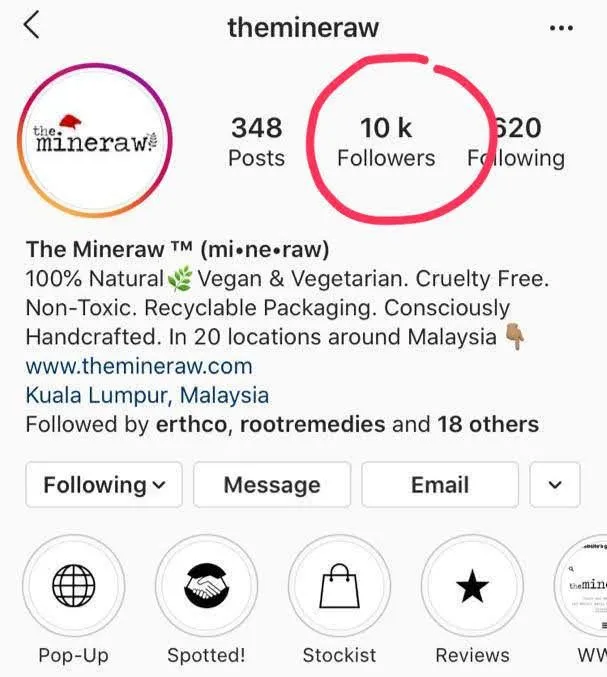
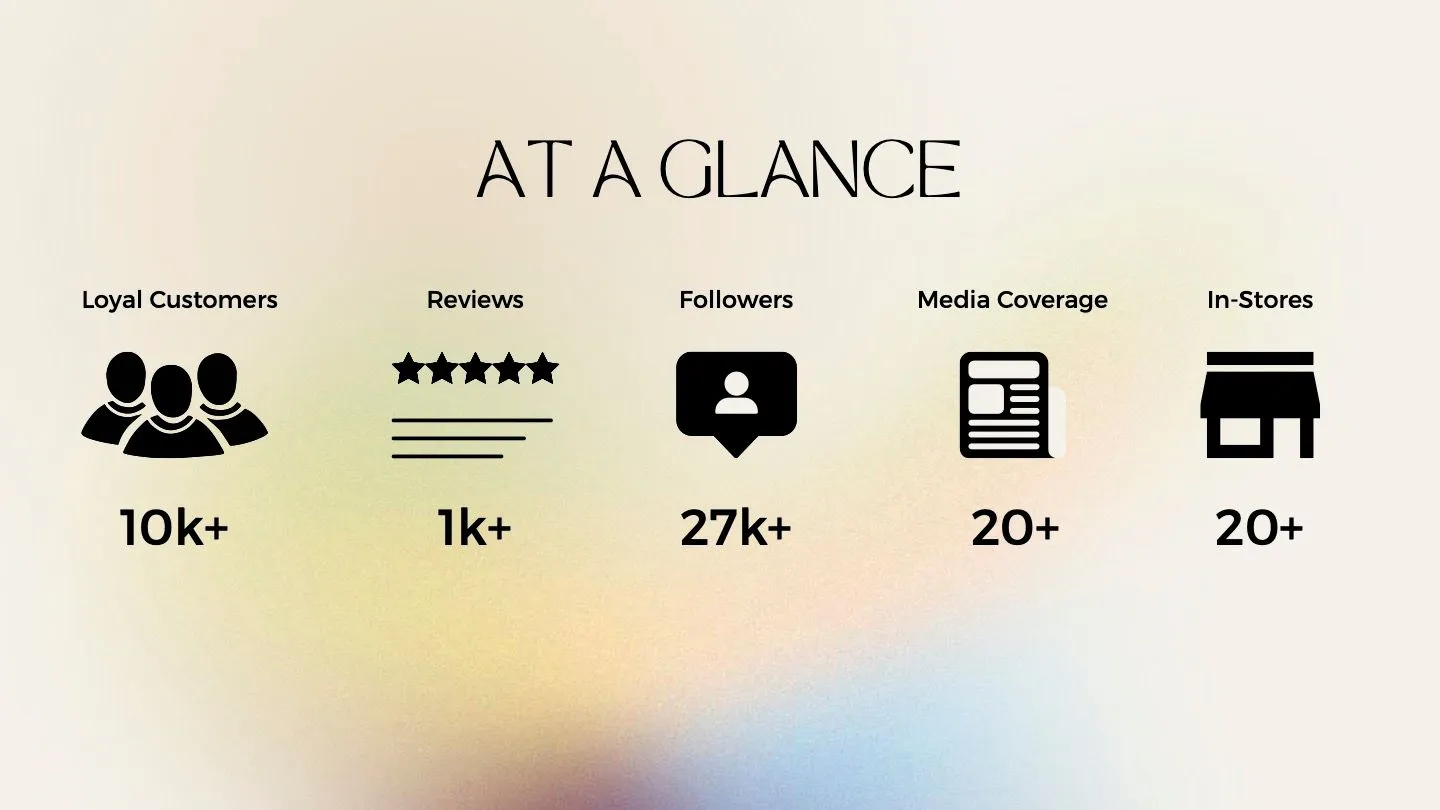
| Outcome | RM1M valuation, 24K+ followers, sold 2025 |
| Tools | Shopify, Adobe, Canva, Instagram |
The Problem
The Malaysian clean beauty market in 2018 had a clear gap ~ vegan, minimal skincare existed mostly at premium price points, marketed to a Western audience. Local consumers with real skin concerns and limited budgets had few honest, affordable alternatives.
There was no business plan. There was hormonal cystic acne, a kitchen, RM5,000, and a decision to start.
The core product question: Could a brand built on honest ingredients, priced for real people, find its own audience — without paid growth, outside capital, or a team?
Stakeholders
| Stakeholder | Role & Relationship |
|---|---|
| Customers | Malaysian women 18–35, sensitive/acne-prone skin, budget-conscious, values-driven |
| Suppliers & Manufacturers | Raw ingredient vendors, contracted factory for scaled production |
| Retail Partners | Physical stores across KL where products were stocked |
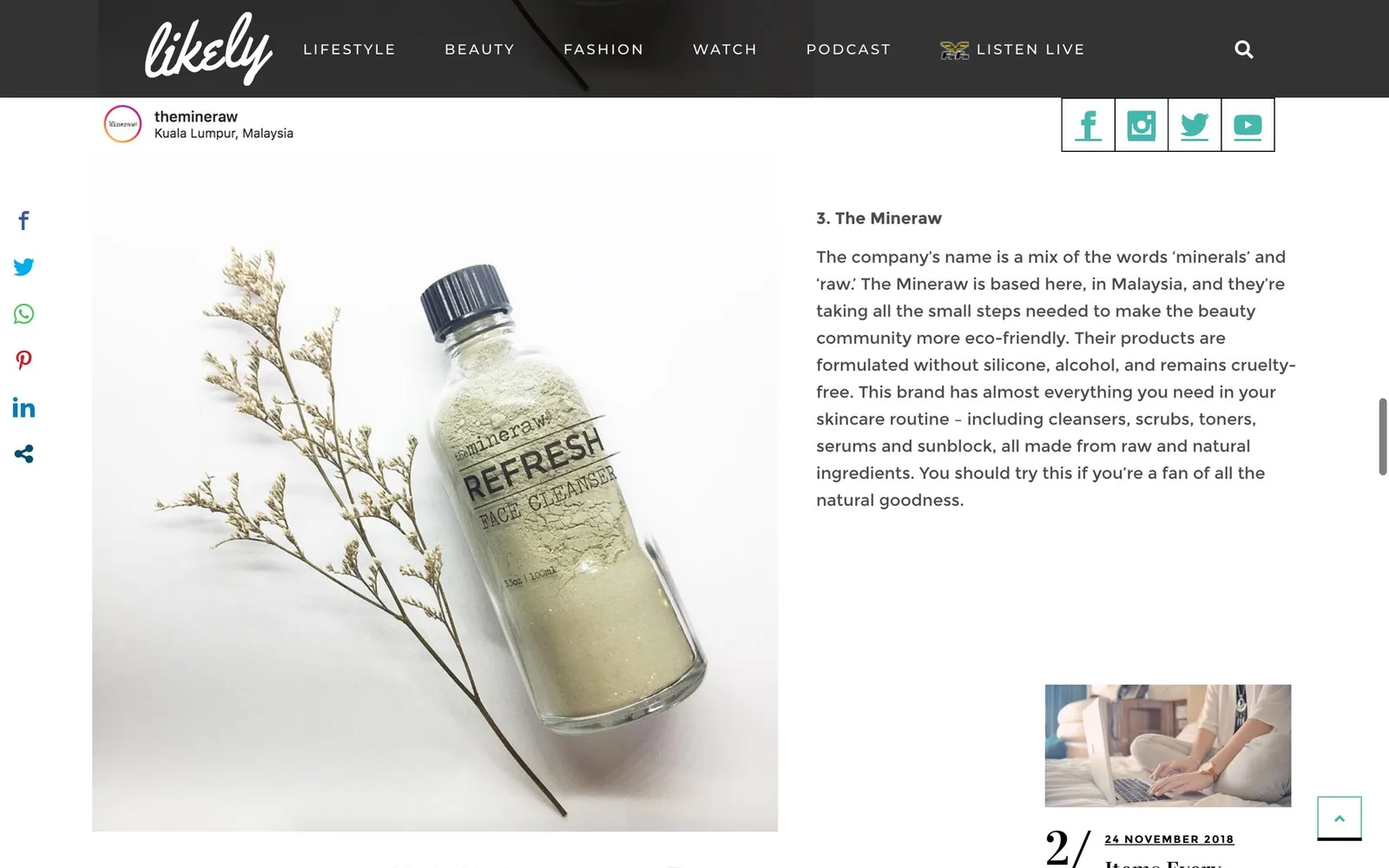
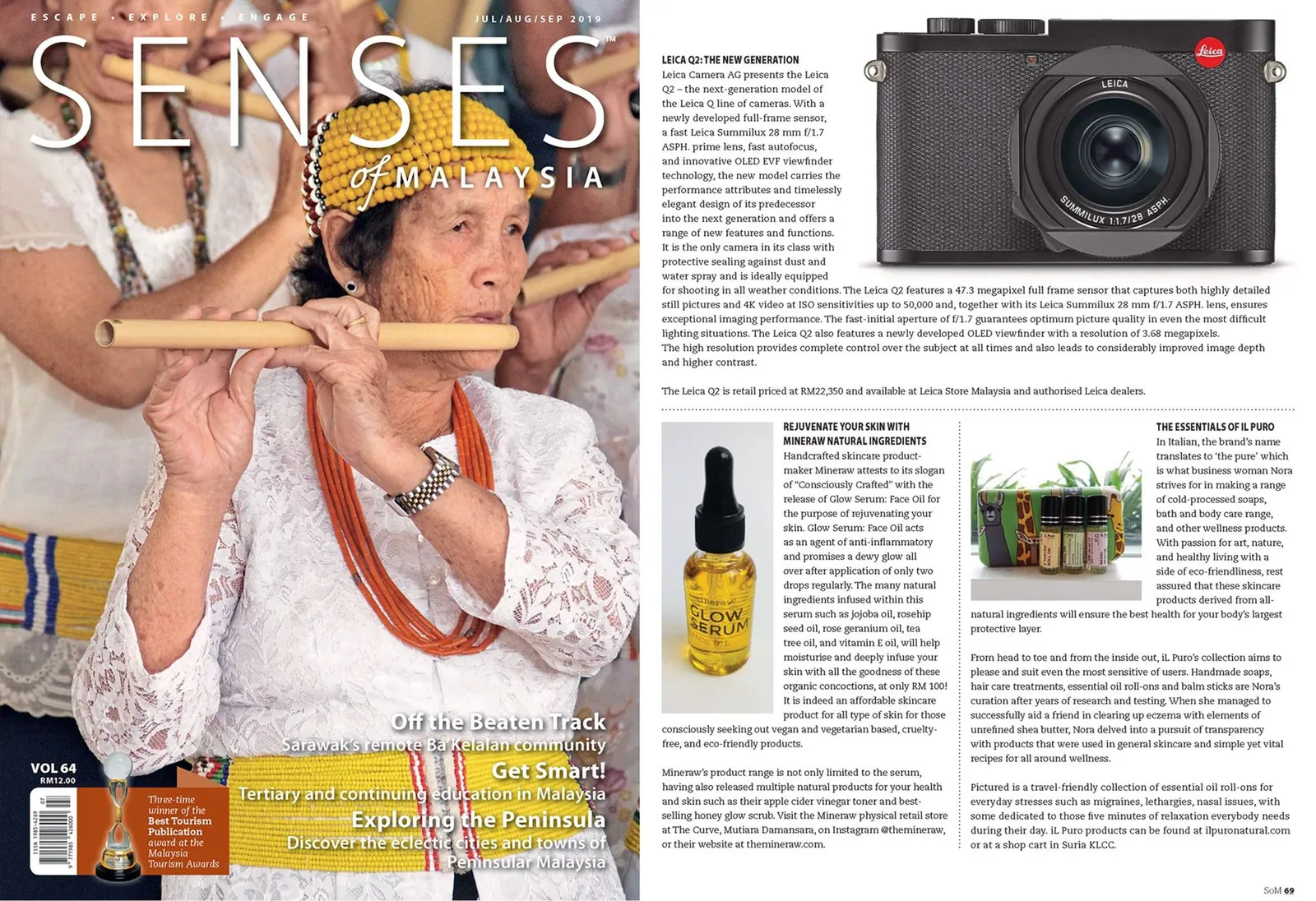
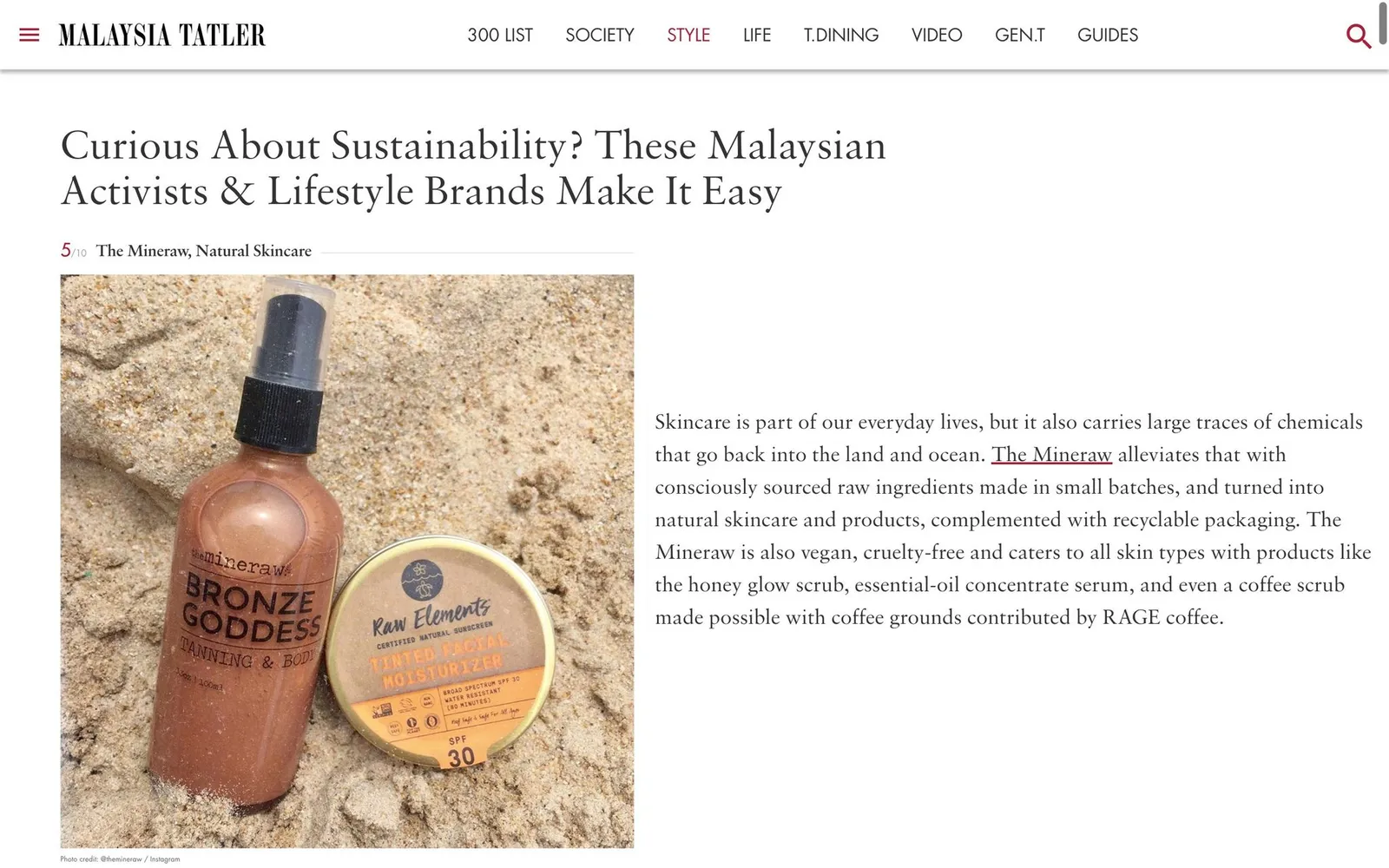
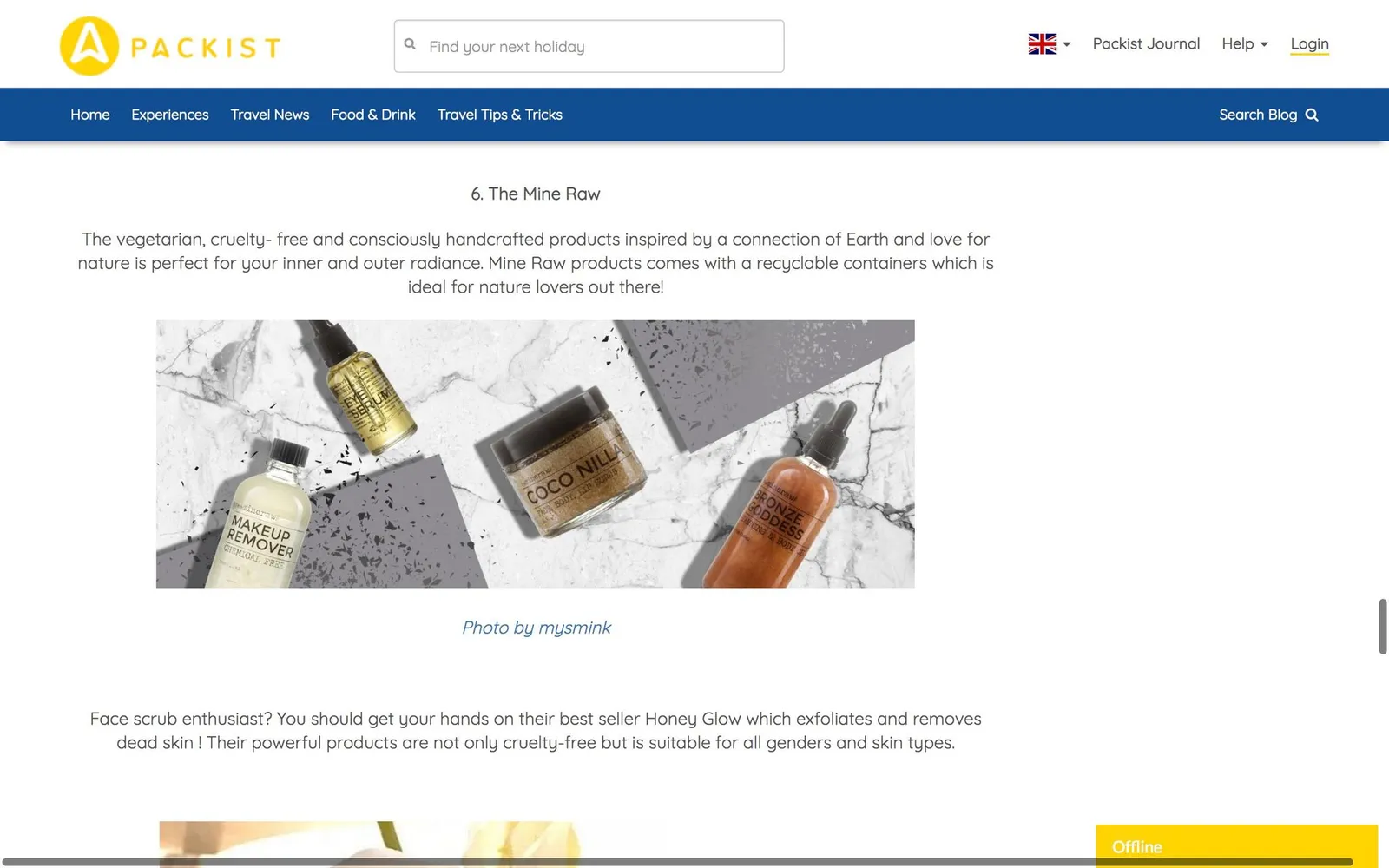
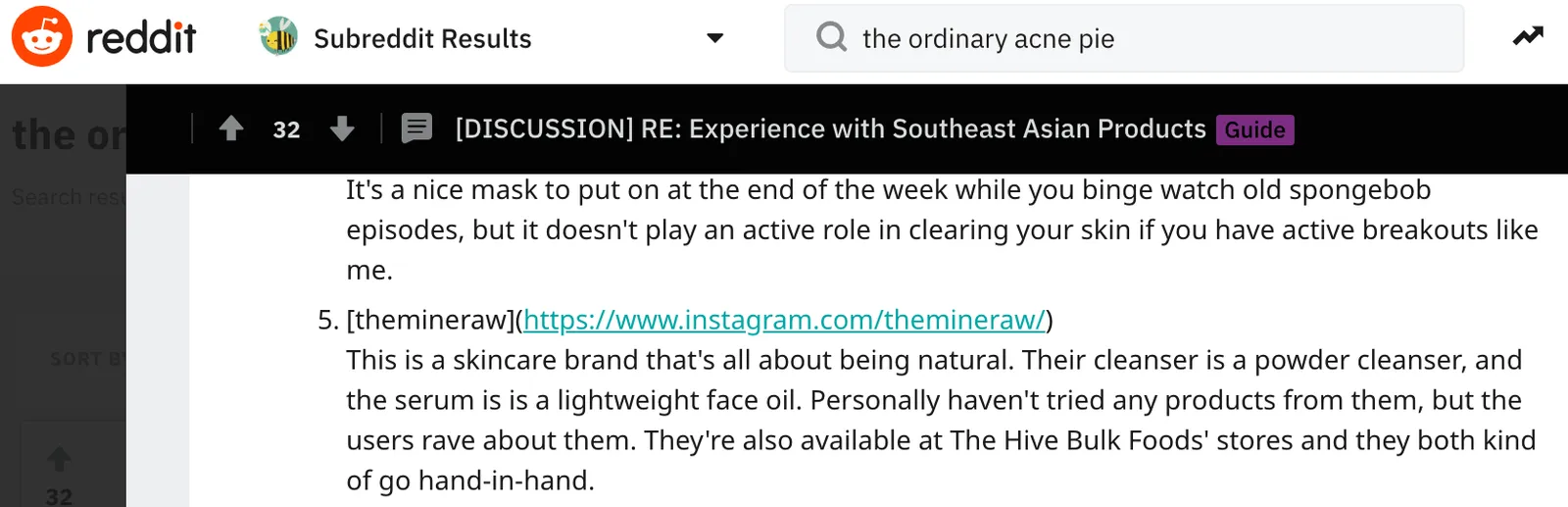
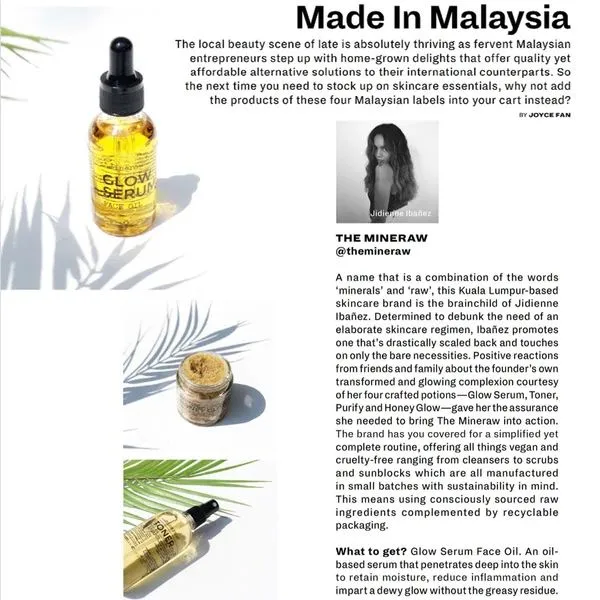
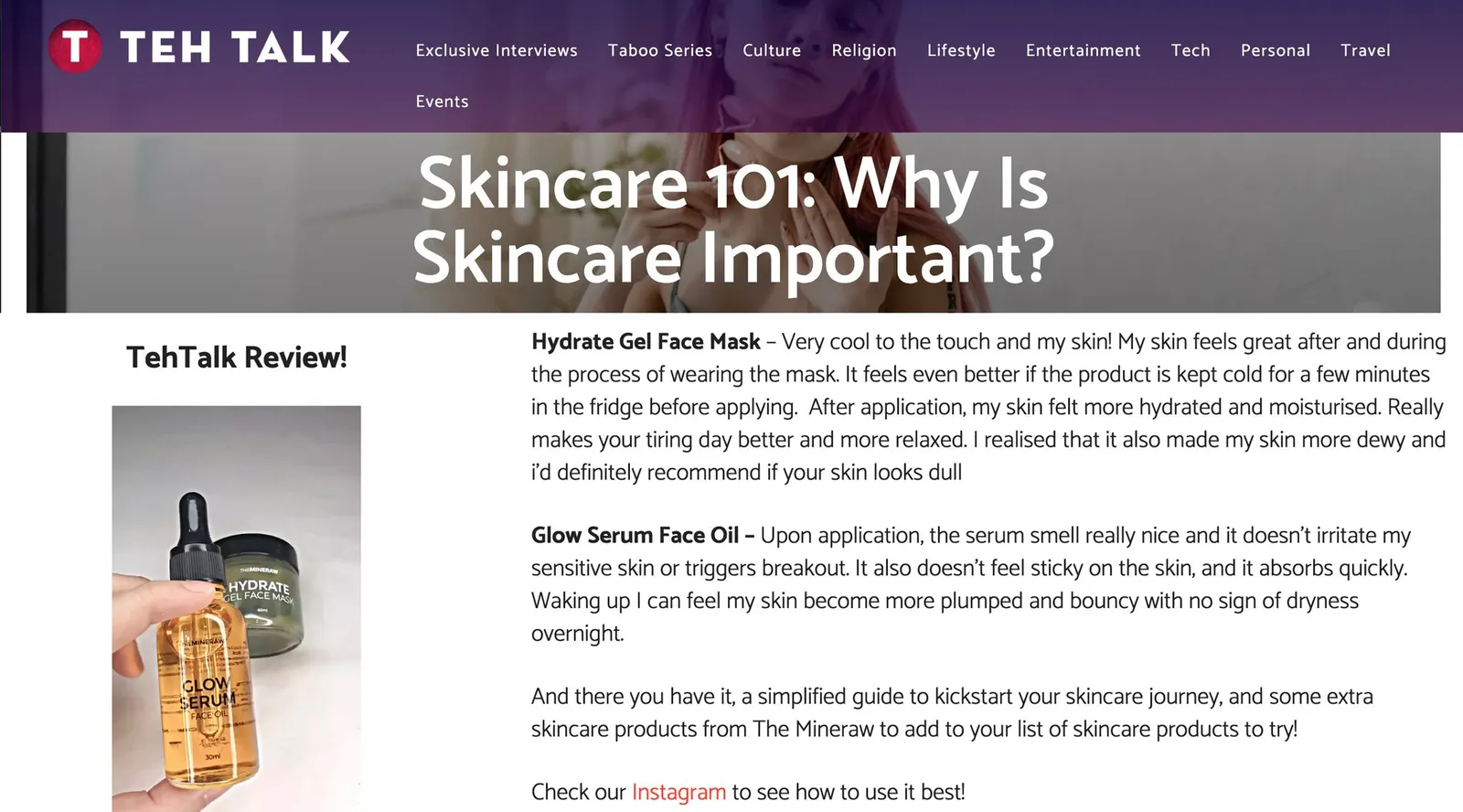
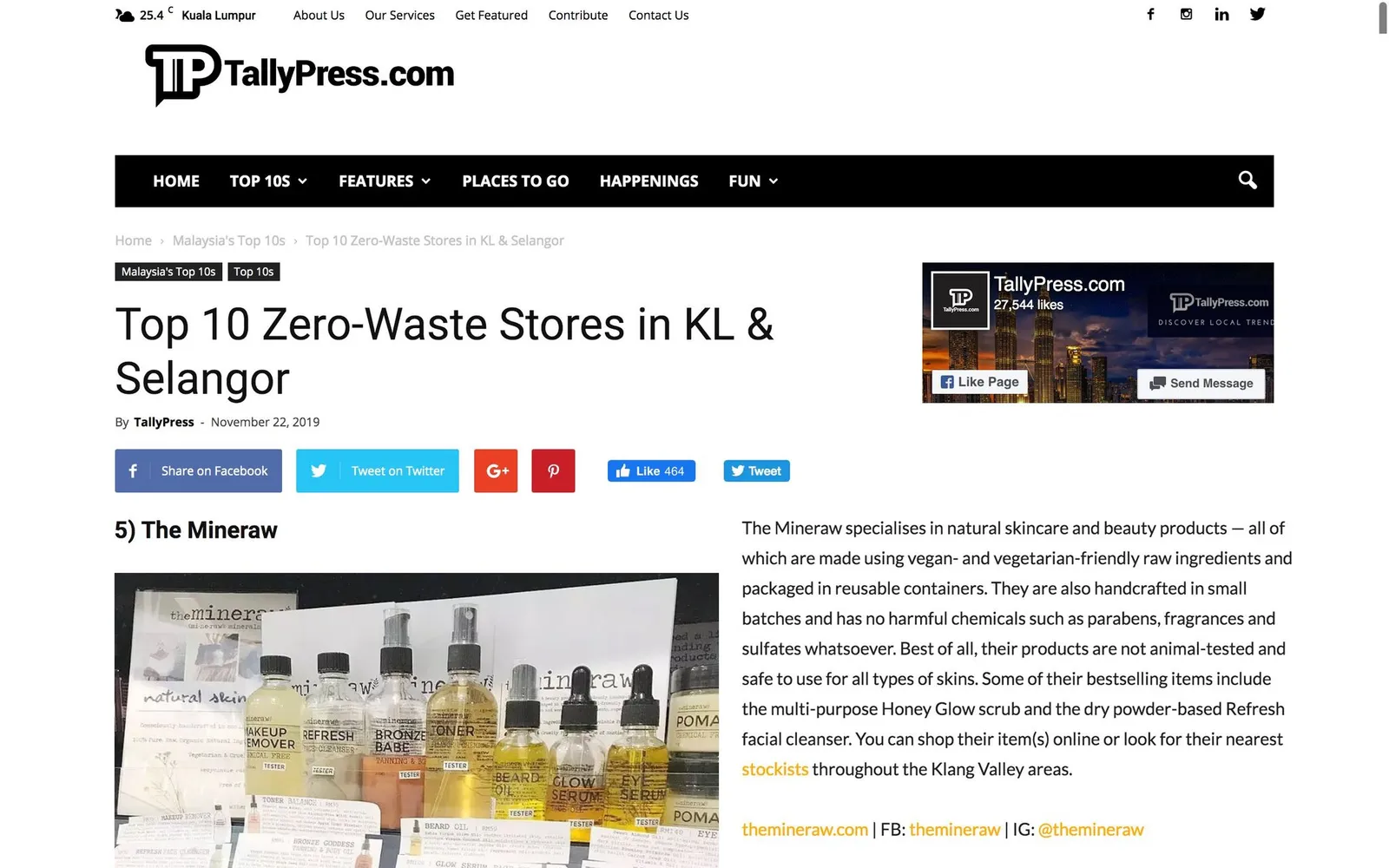
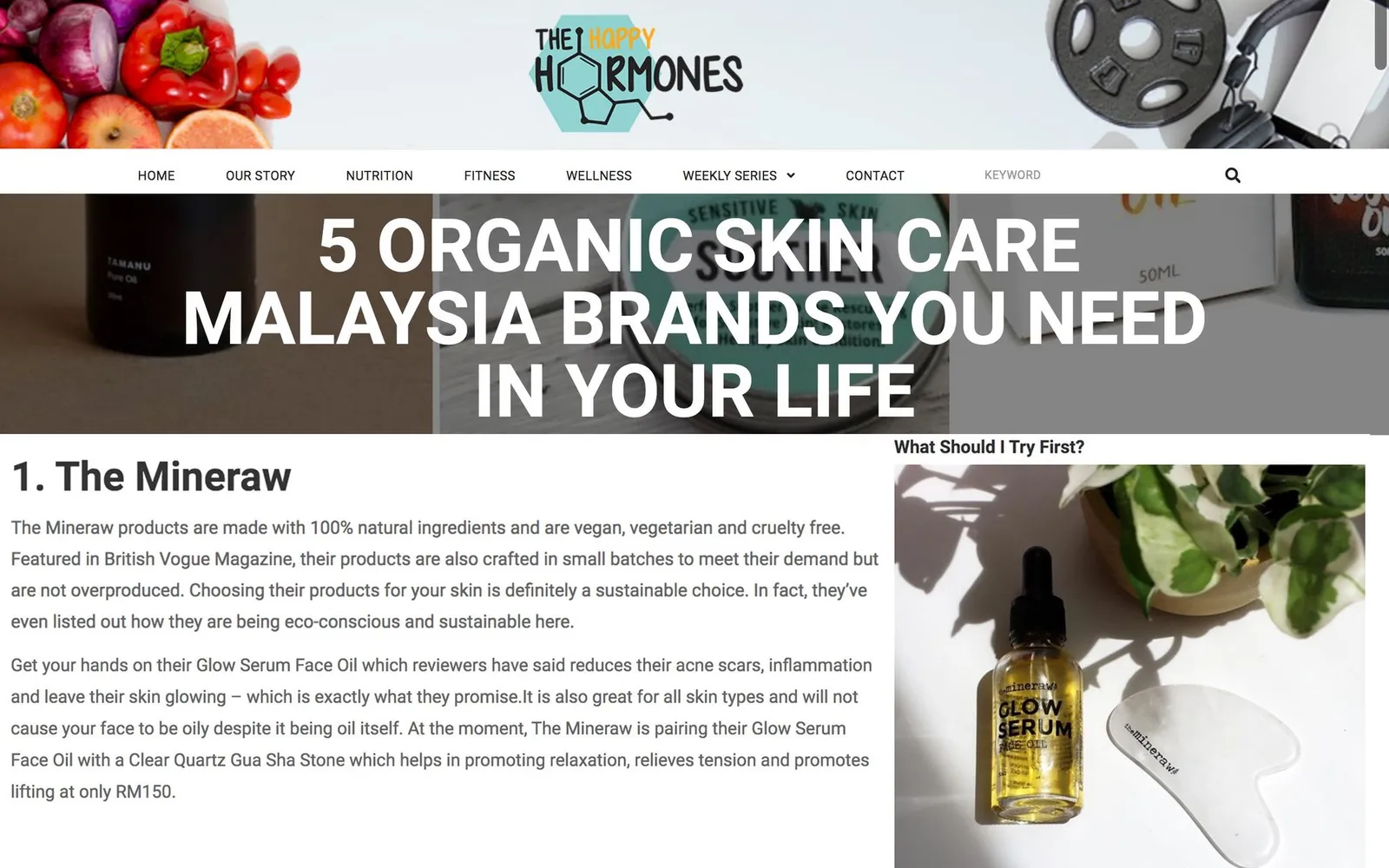
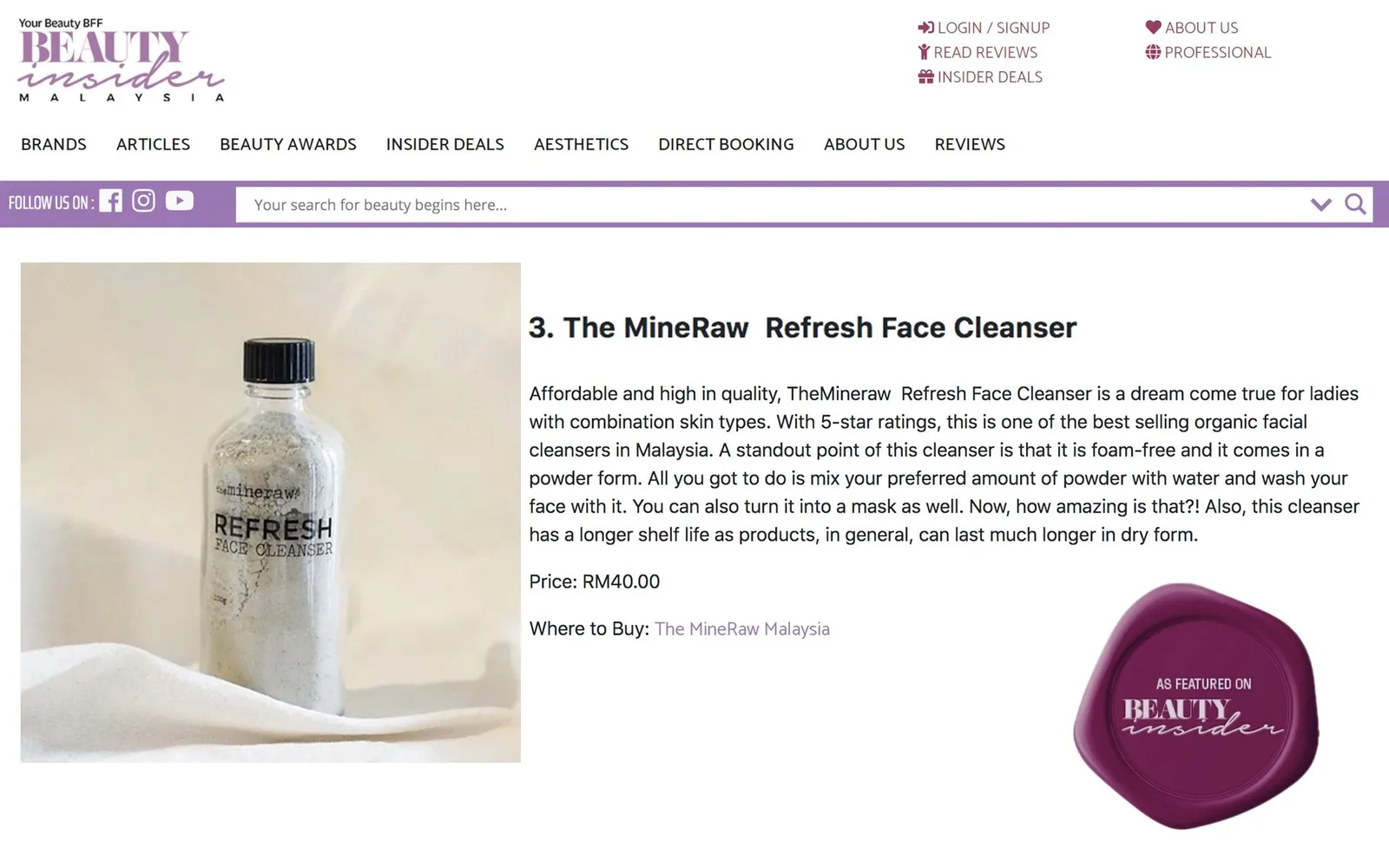
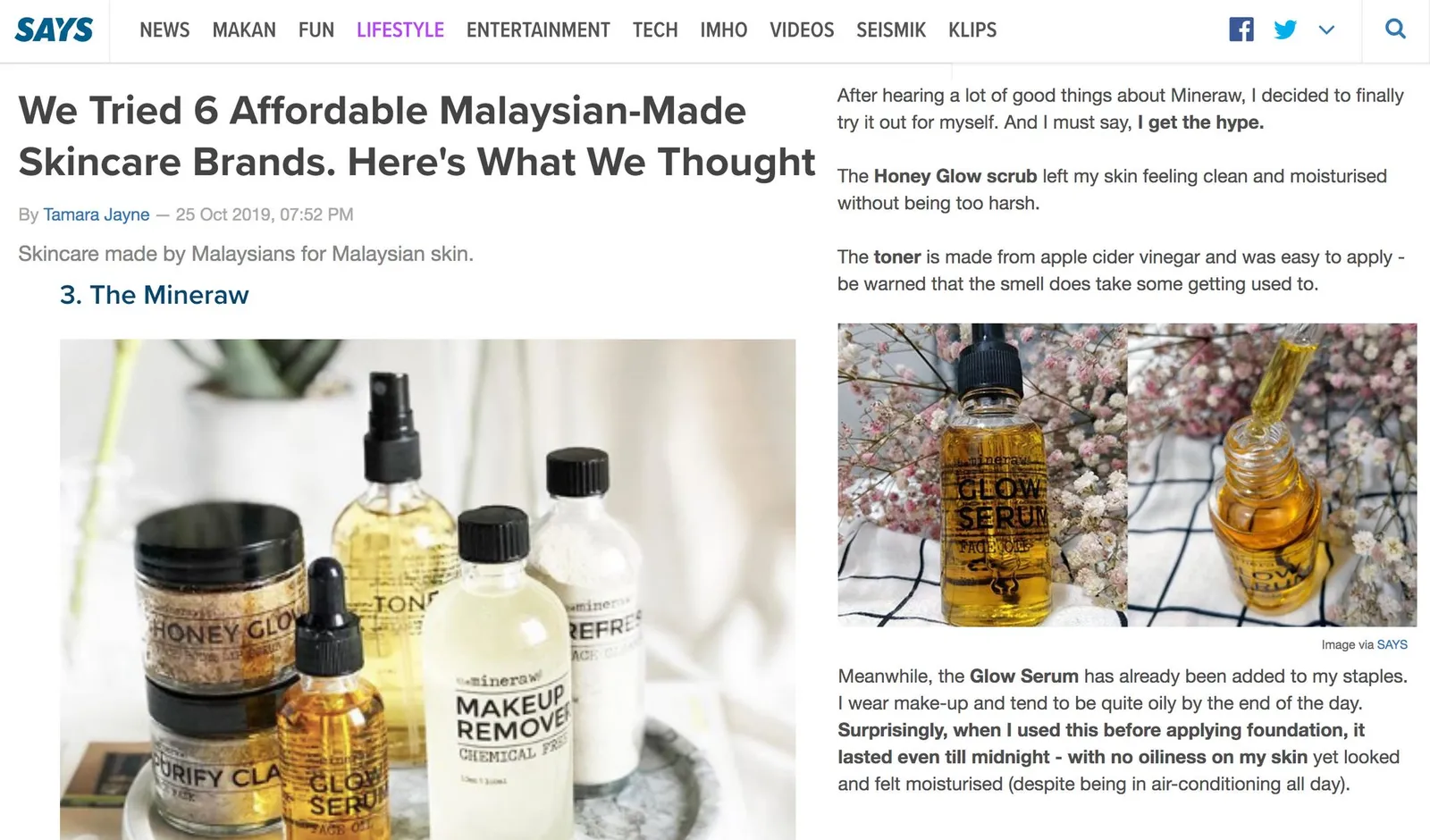
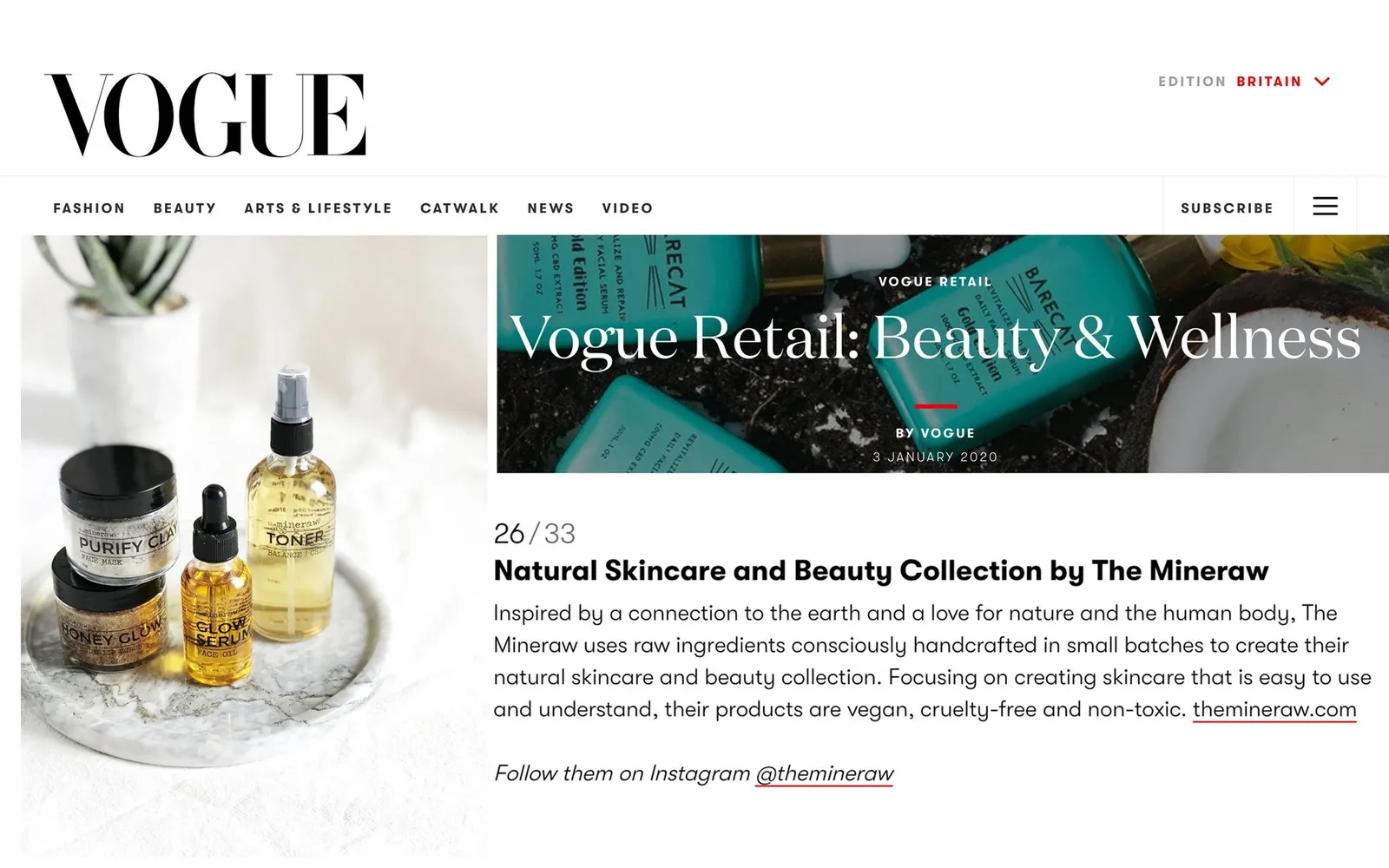
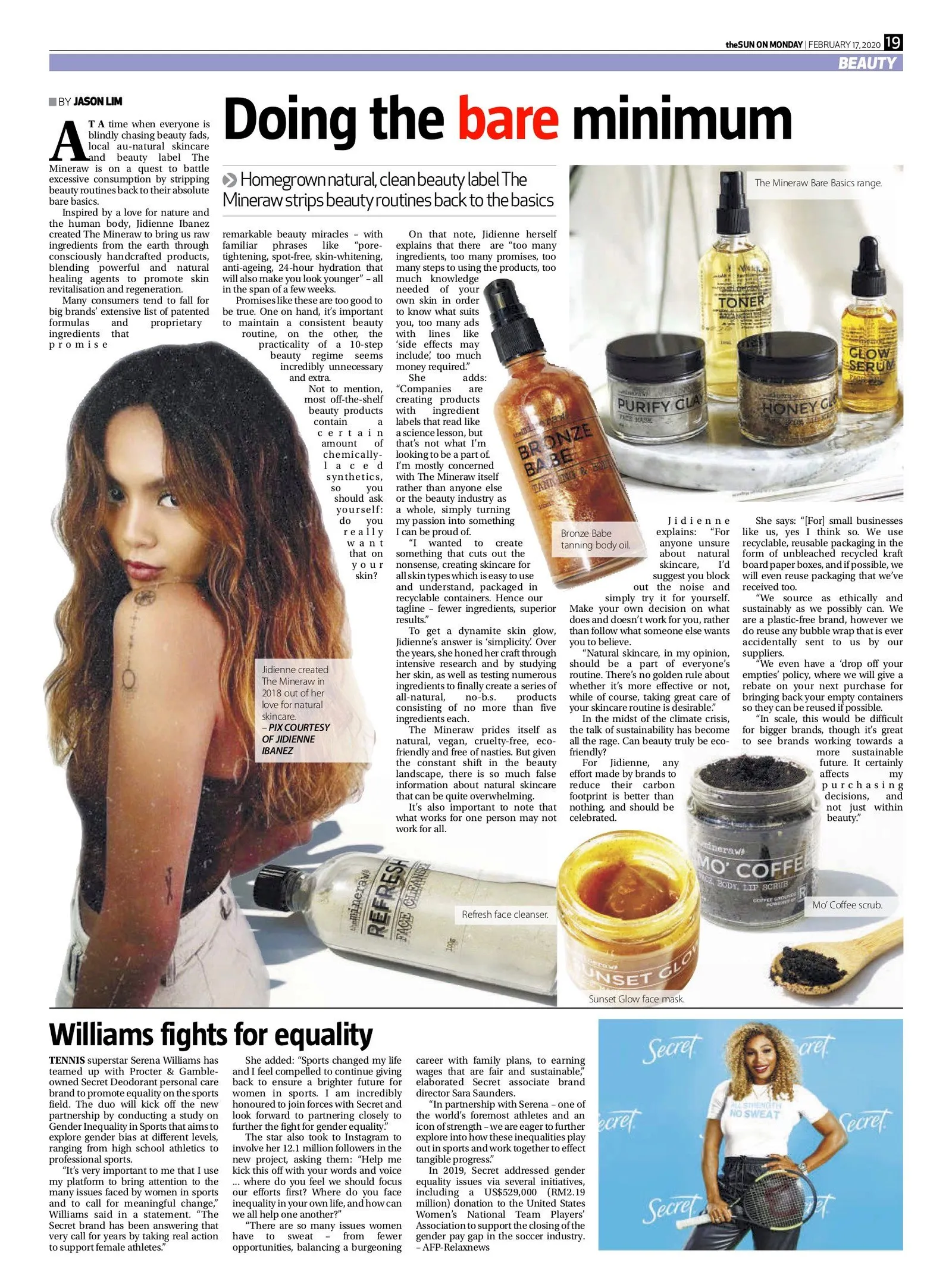
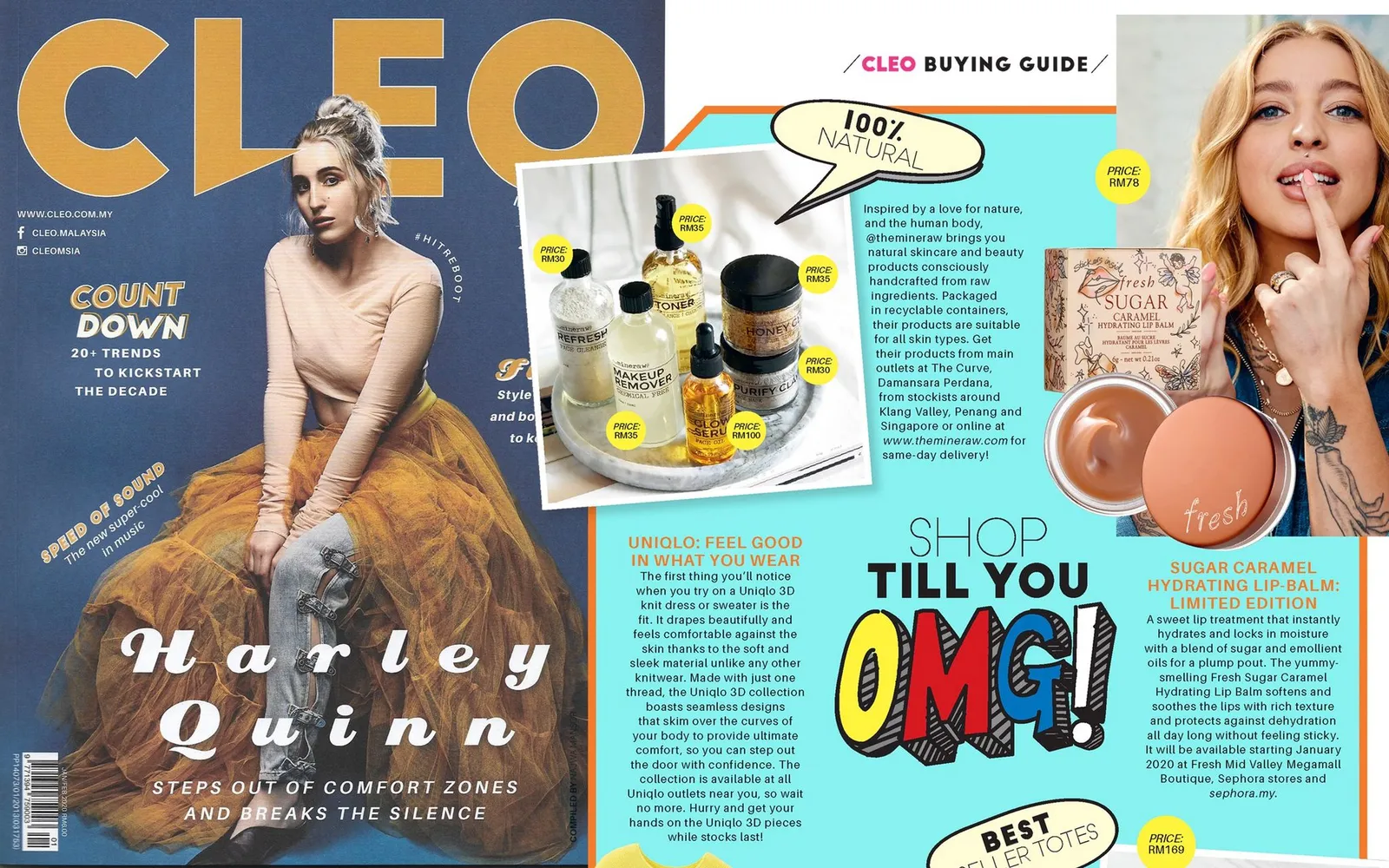
| Media | Press and editorial contacts across lifestyle and beauty publications |
| Platform Partners | Shopify, Instagram, pop-up market organisers |
🏗️ Phase 1 — Define & Validate
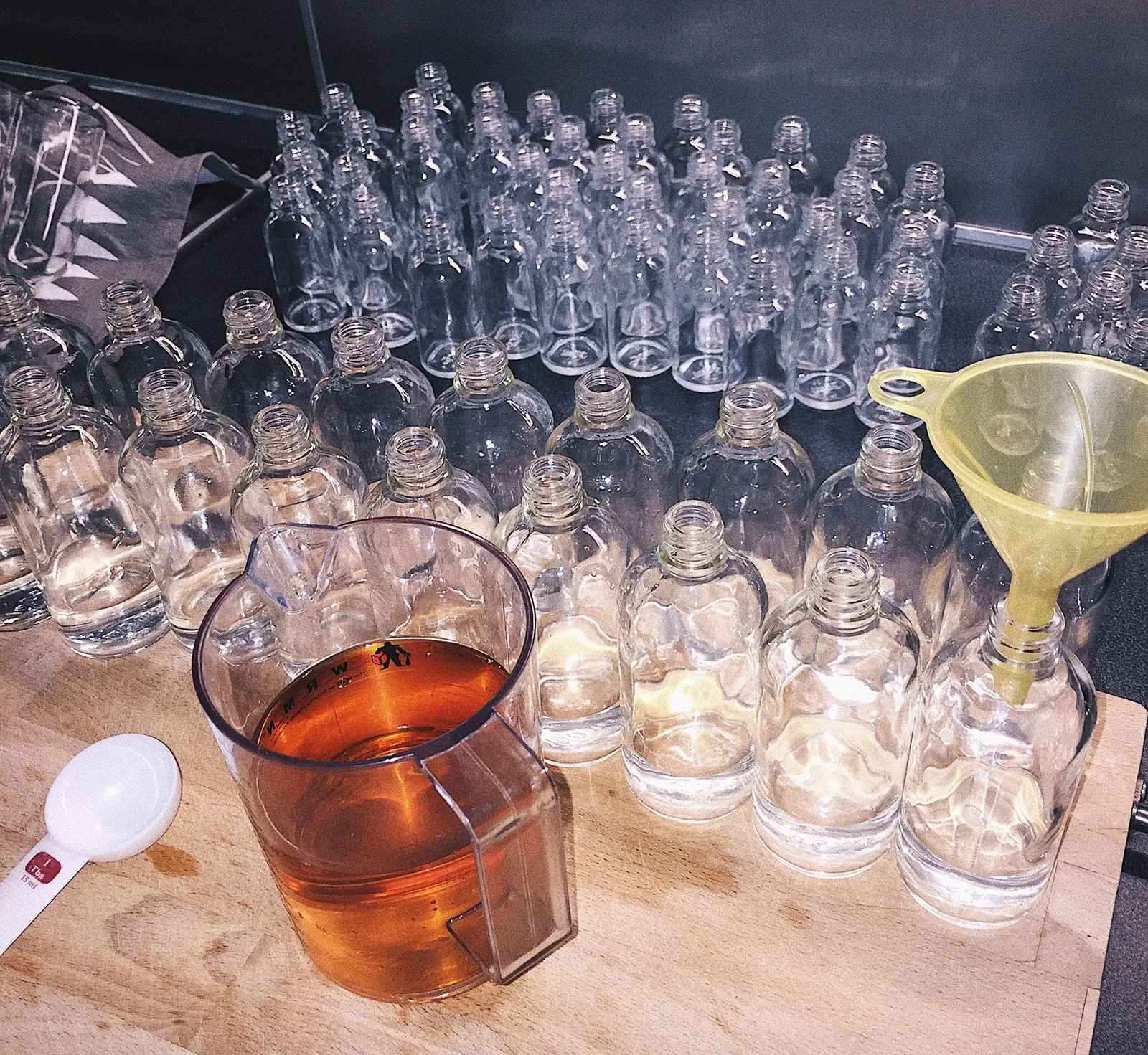
2018 — Kitchen production, zero budget
Business problem: No proof of demand. No capital for large production runs. No brand yet.
Approach
-
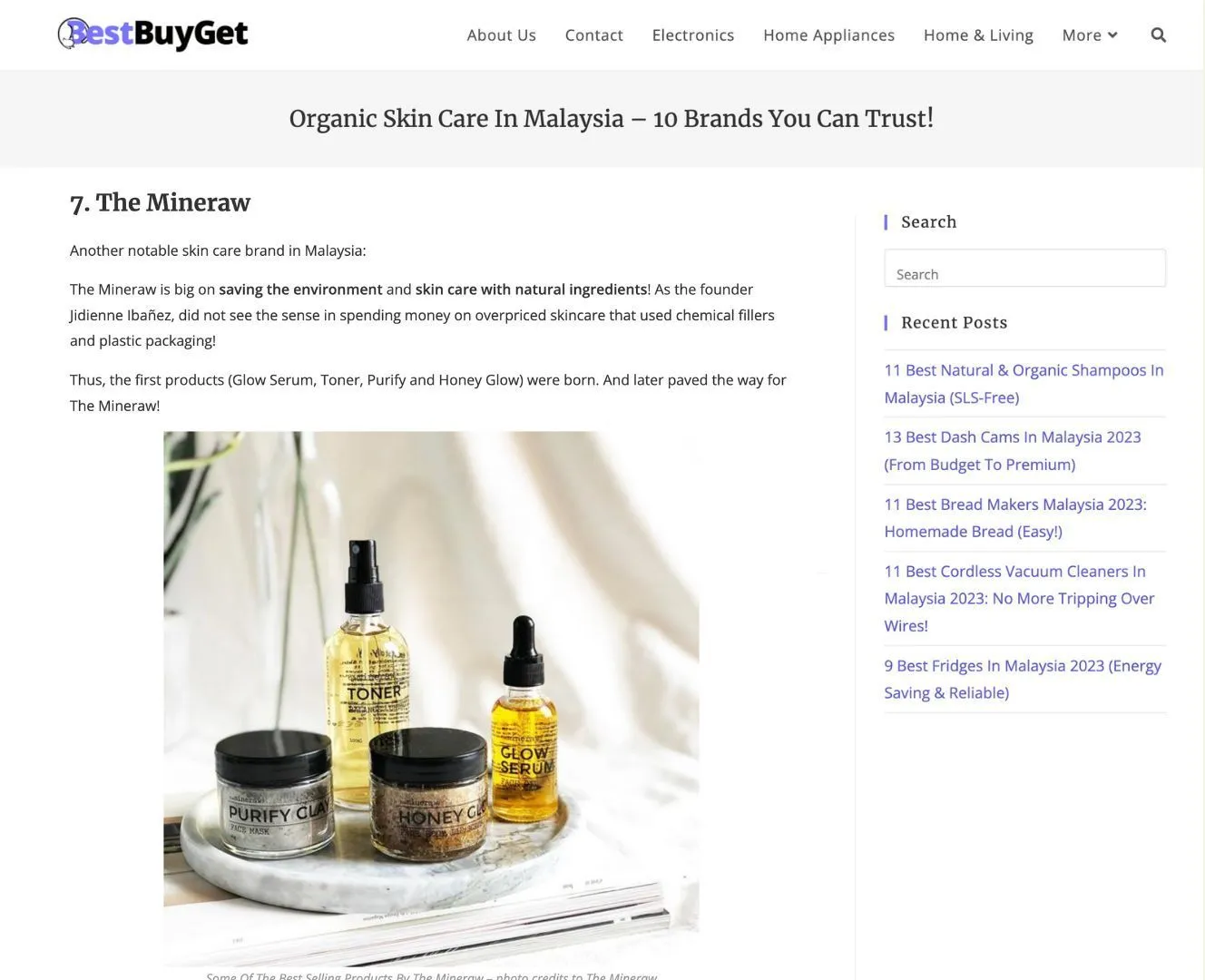
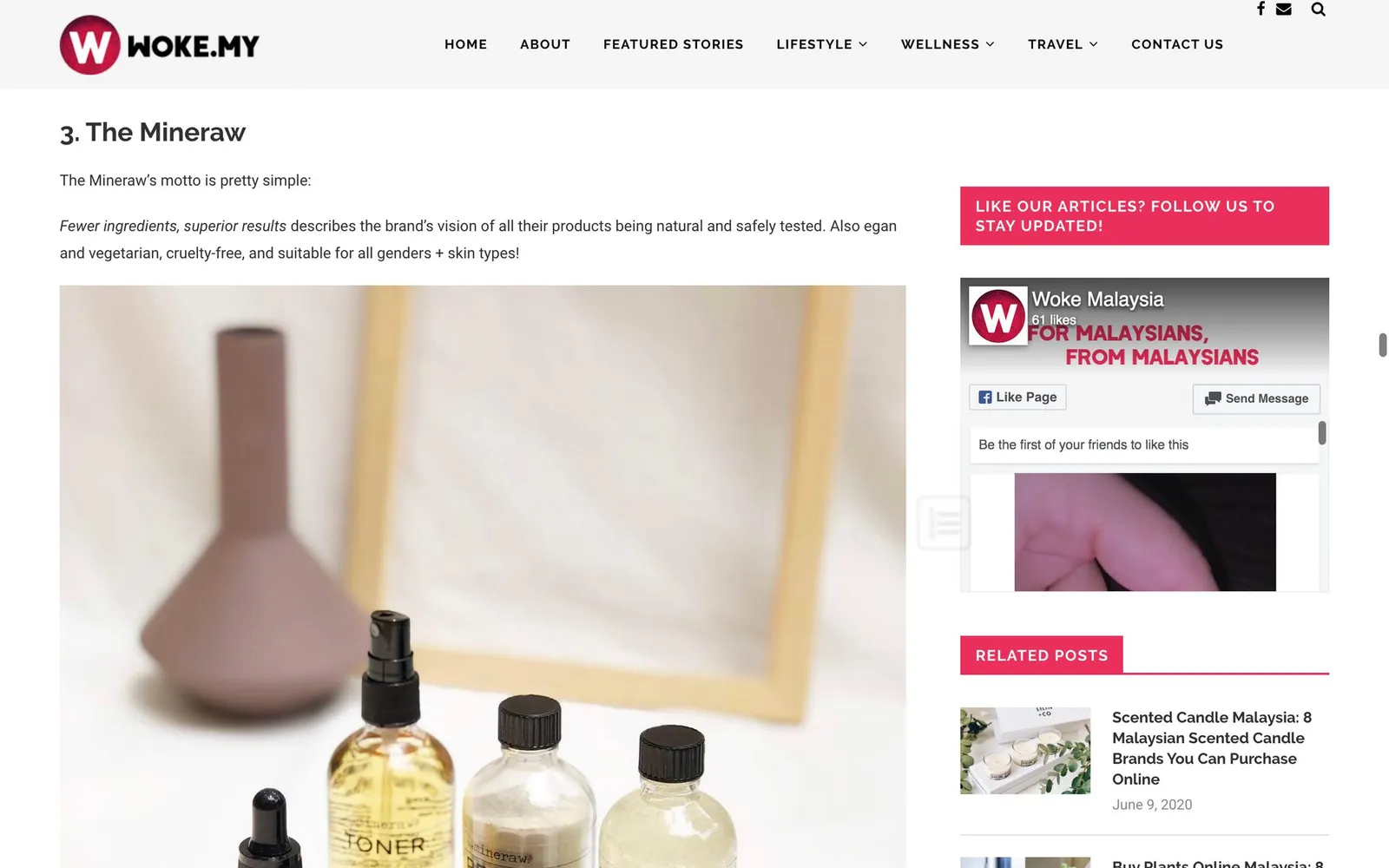
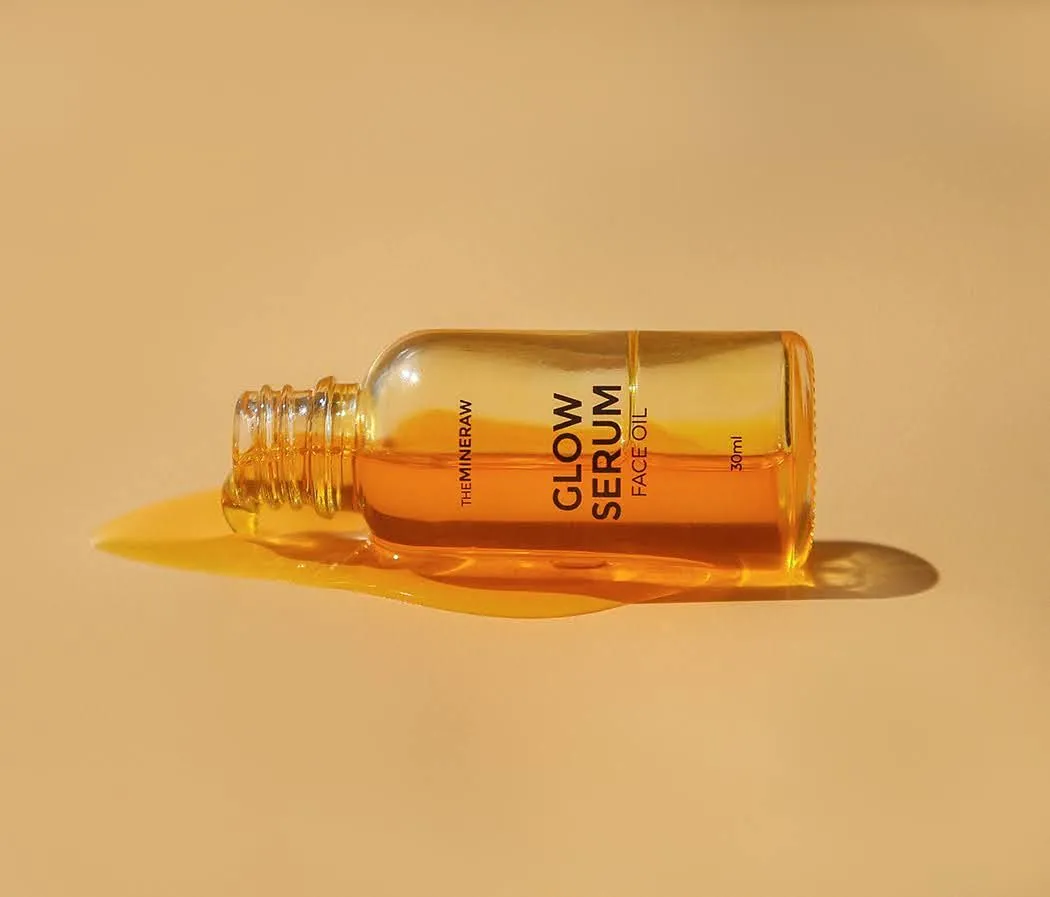
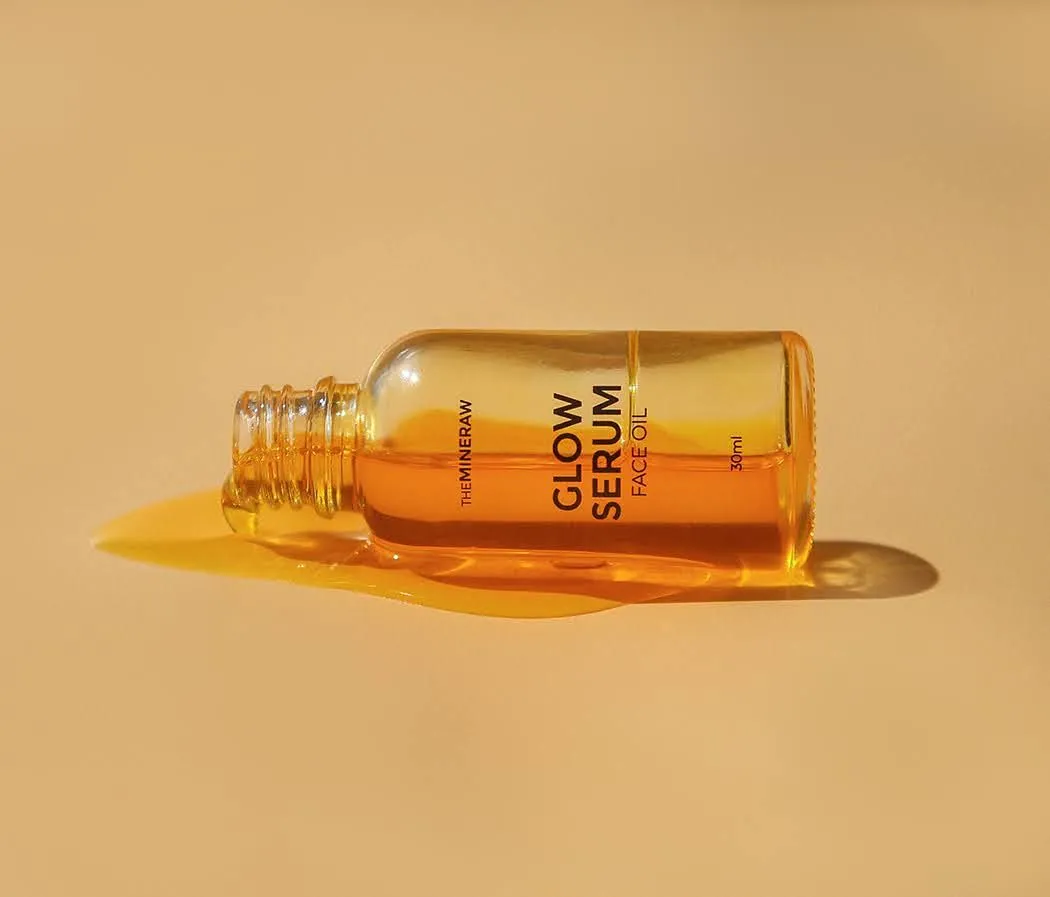
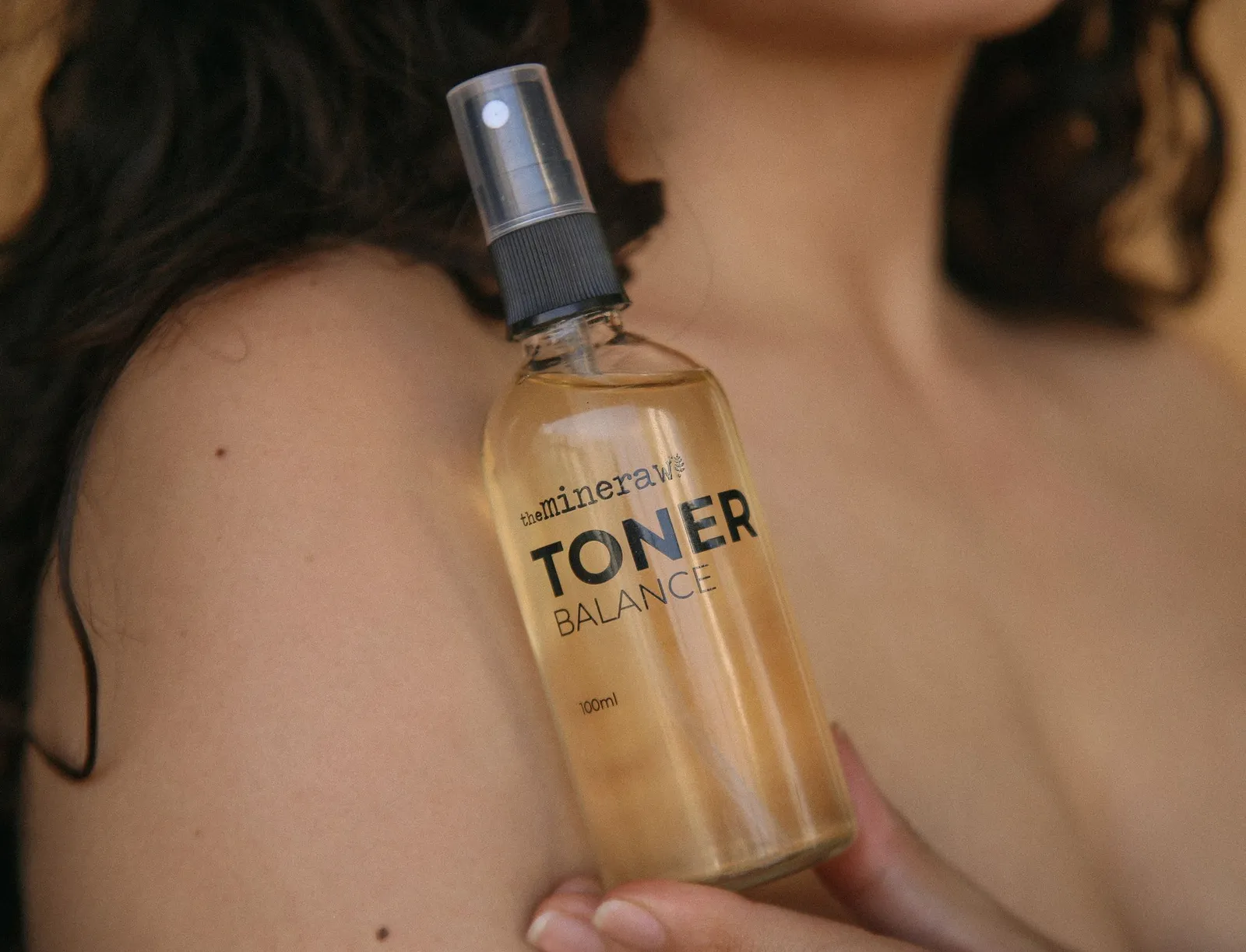
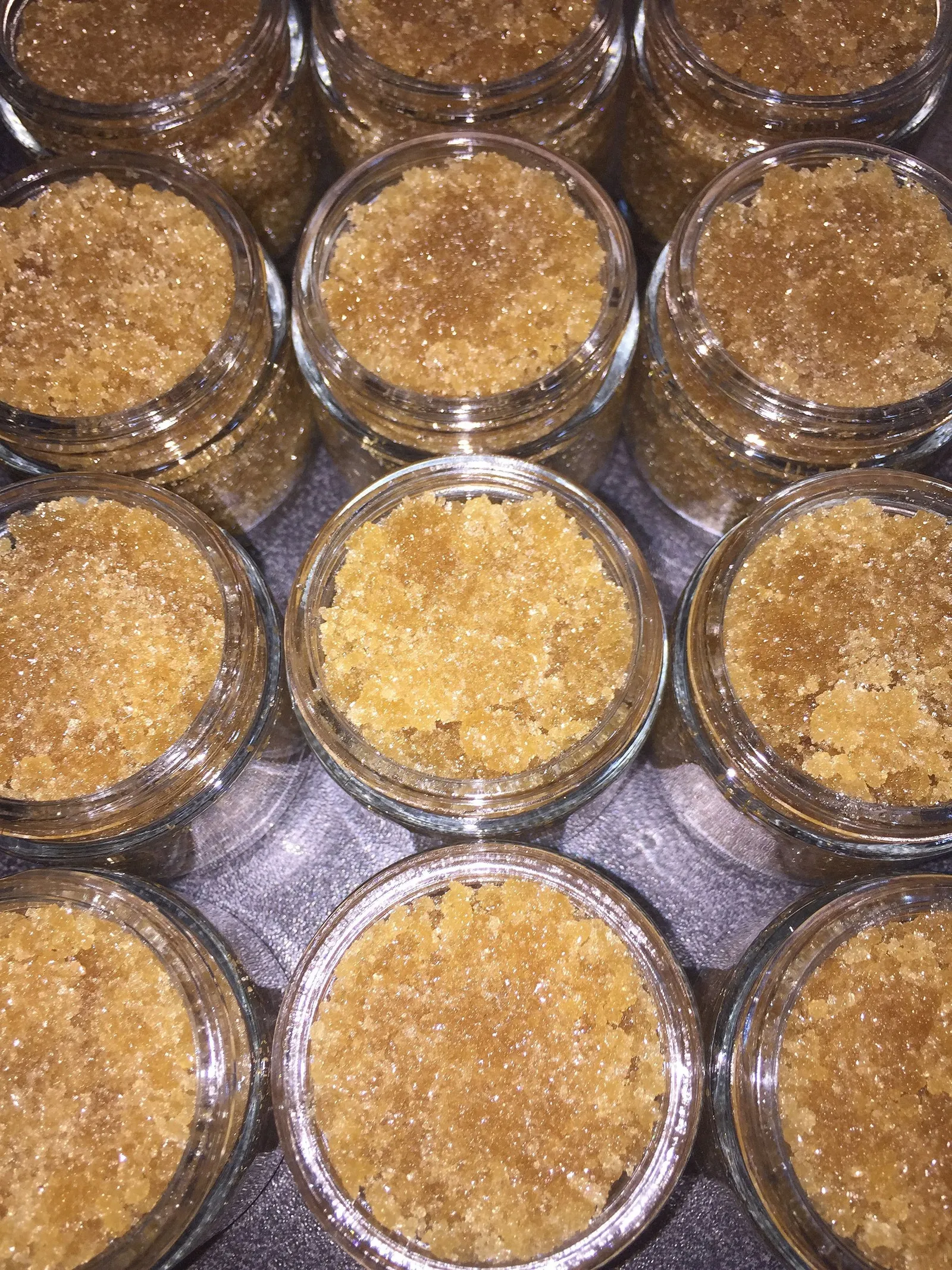
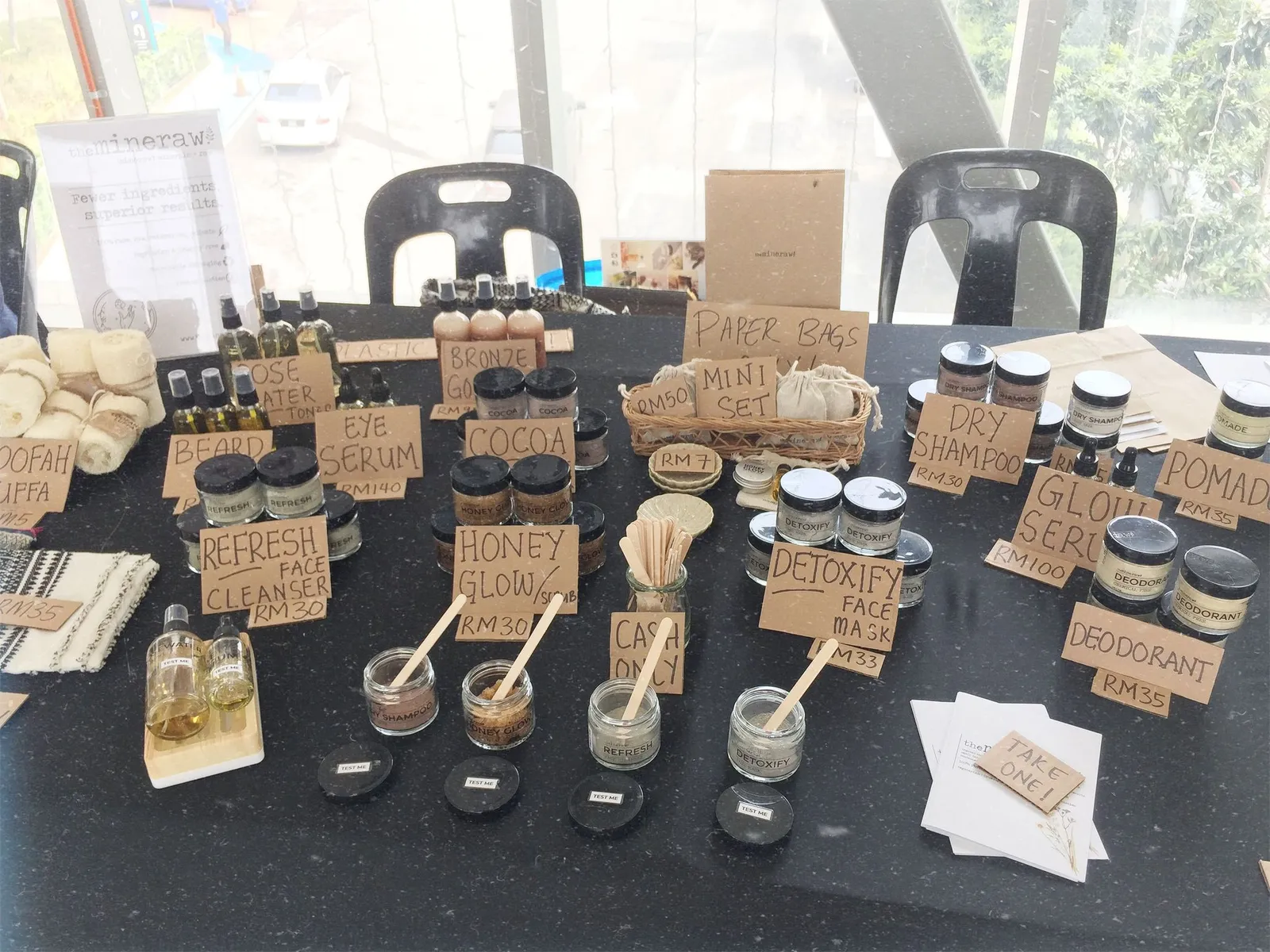
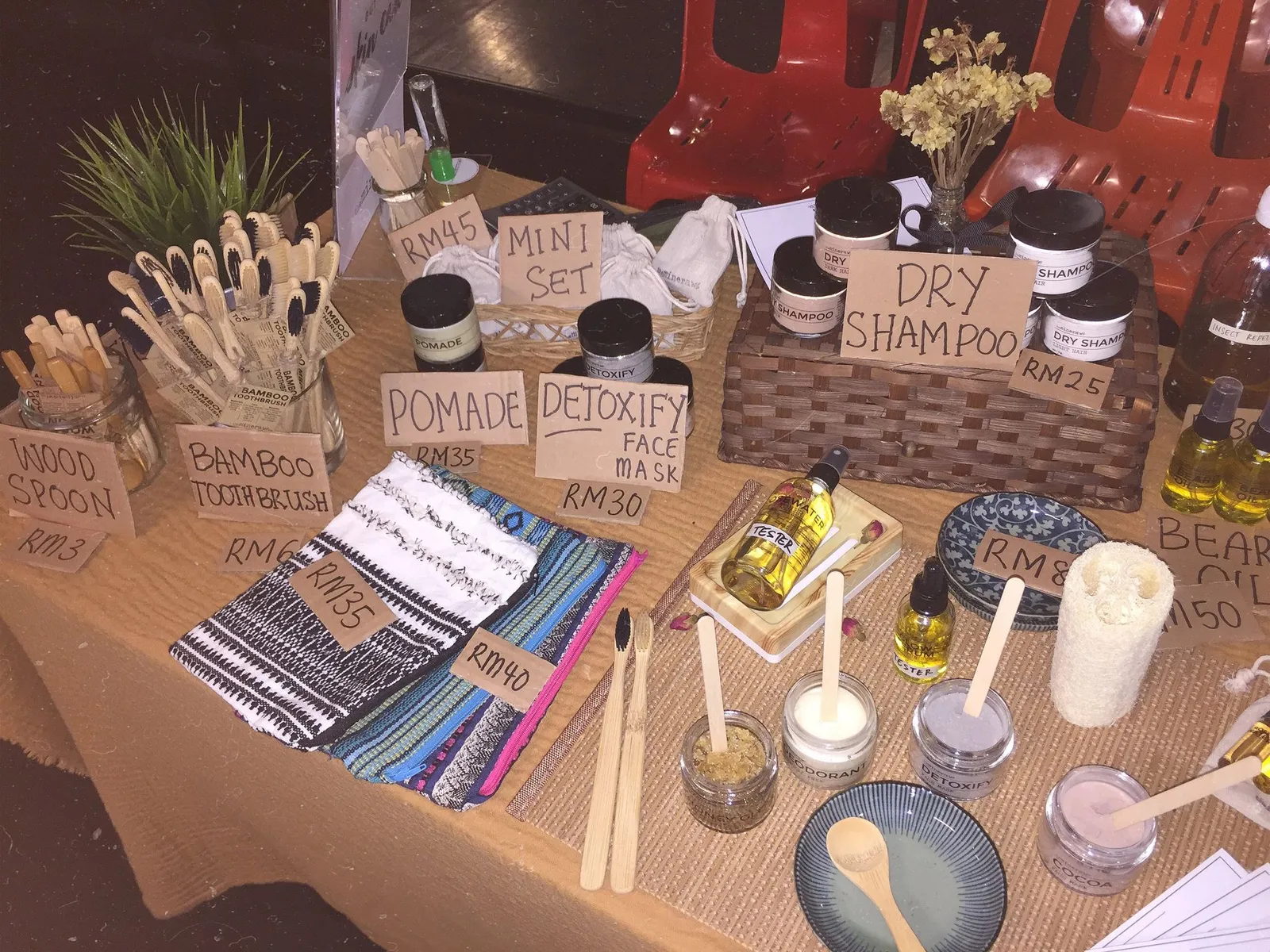
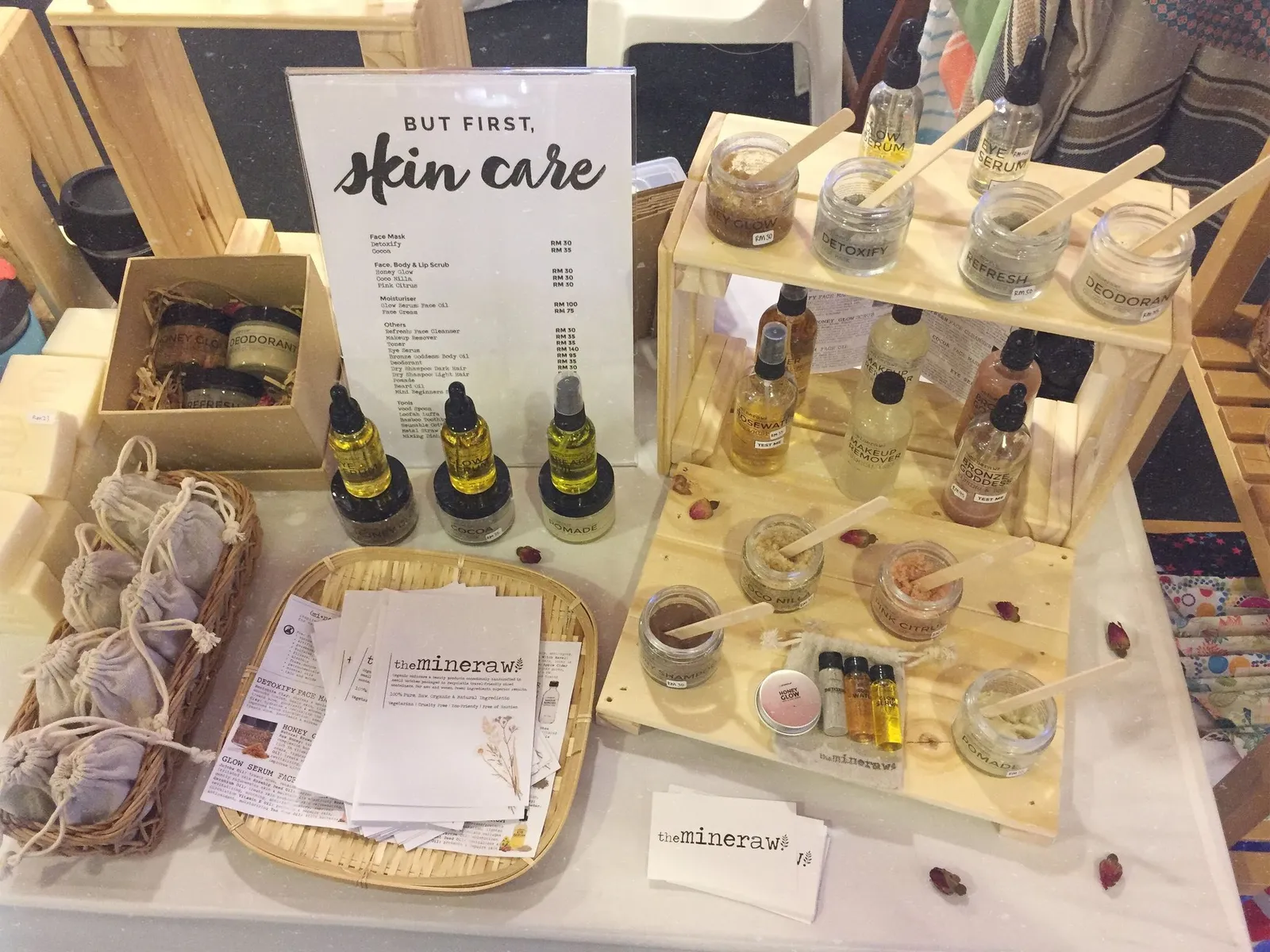
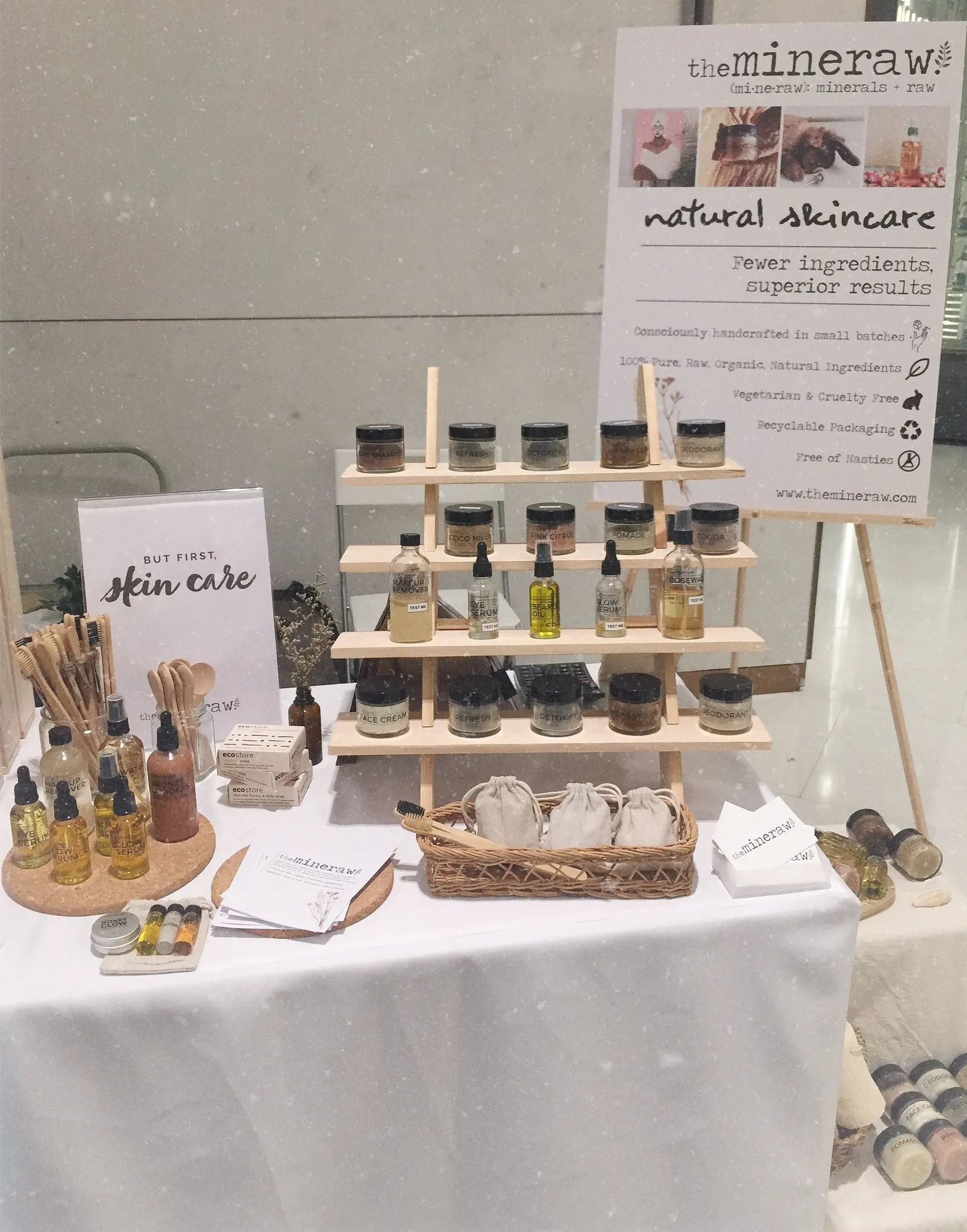
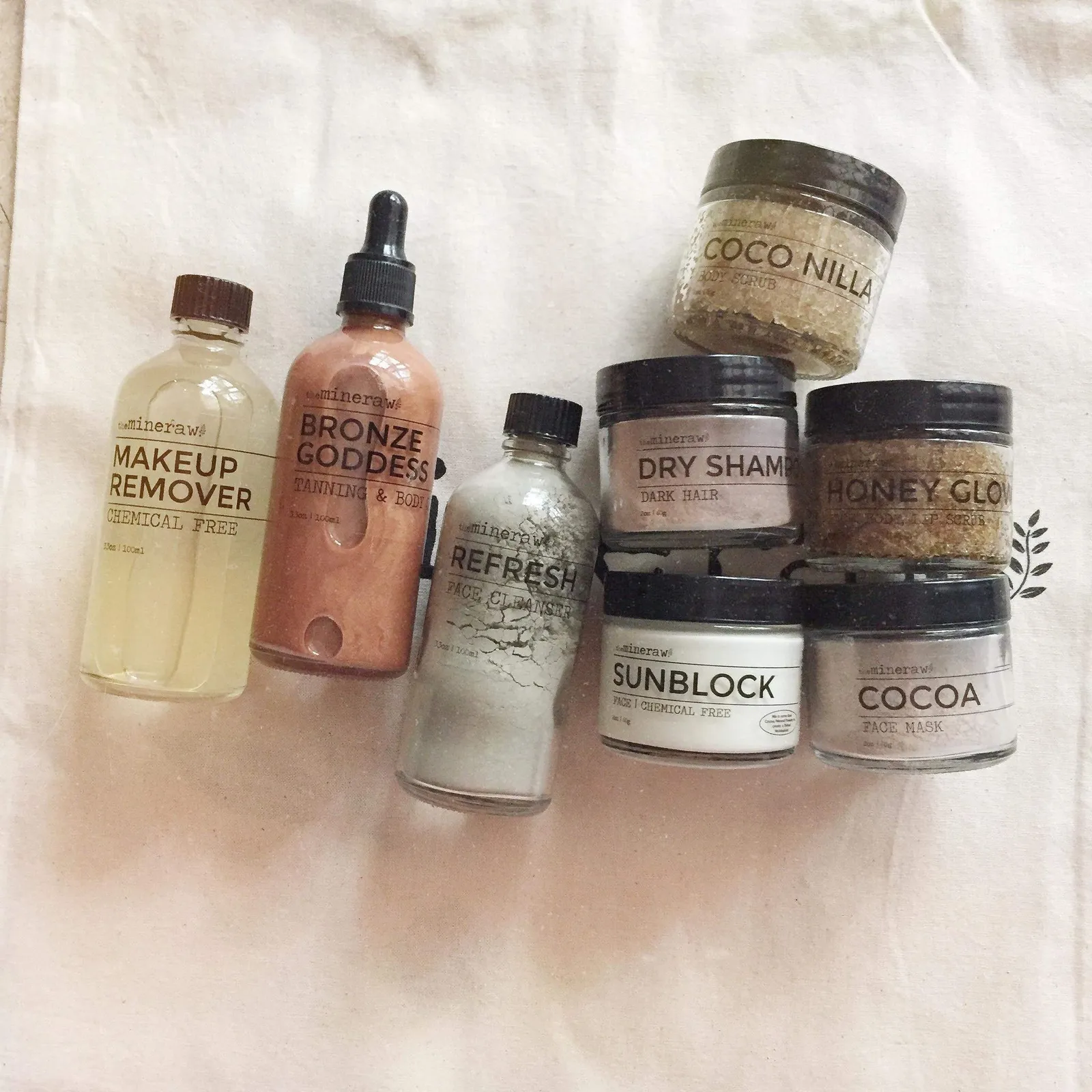
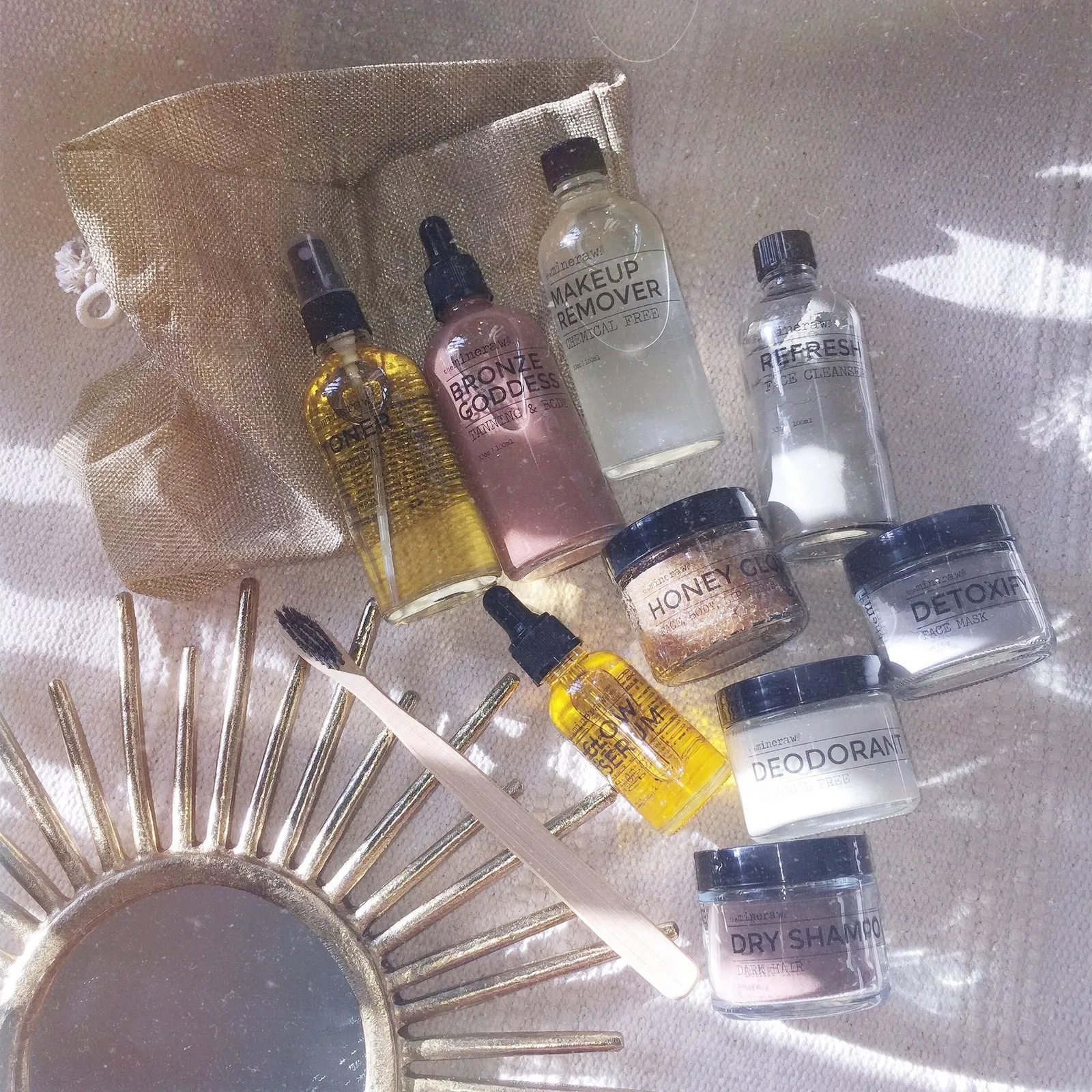
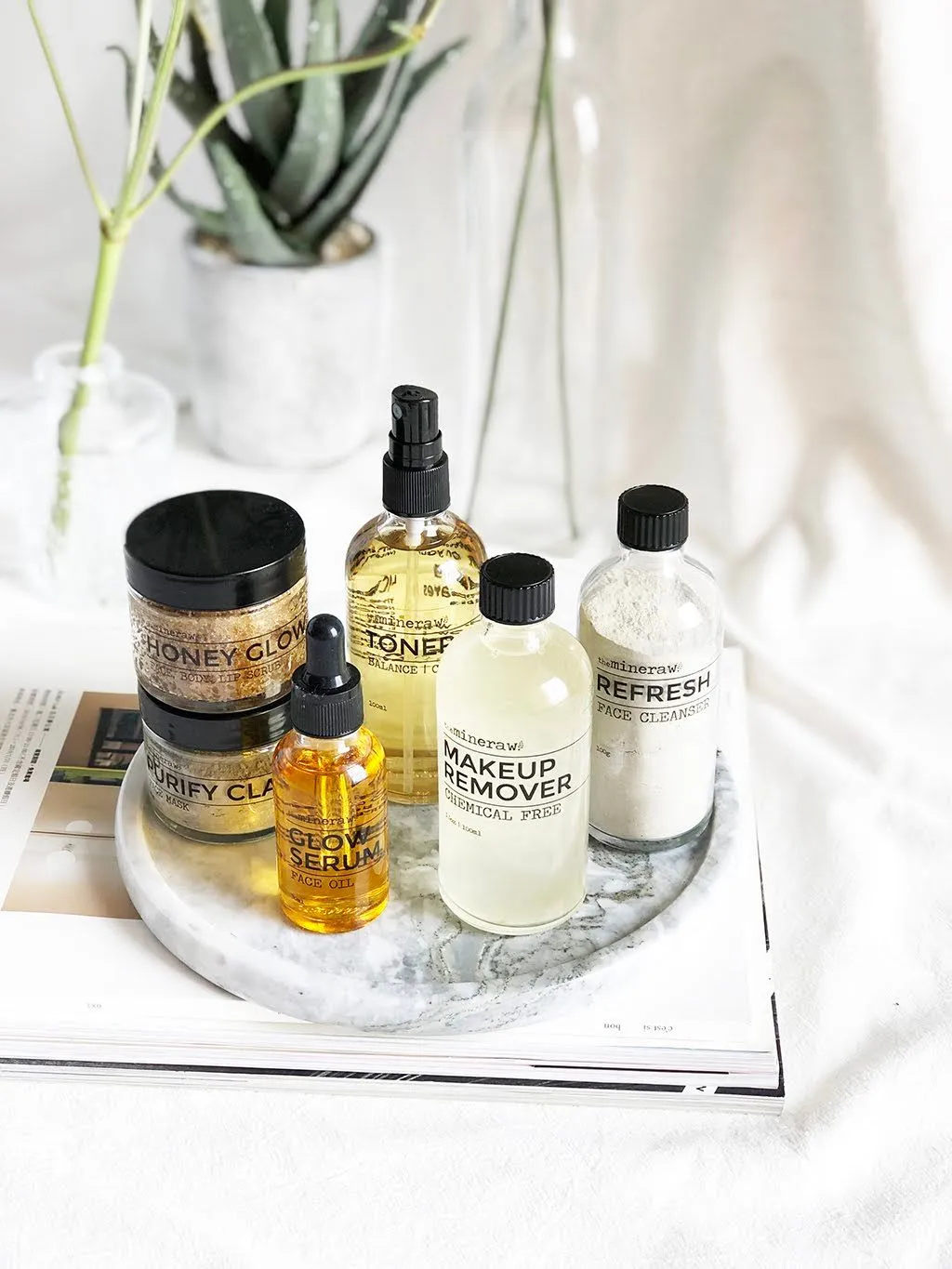
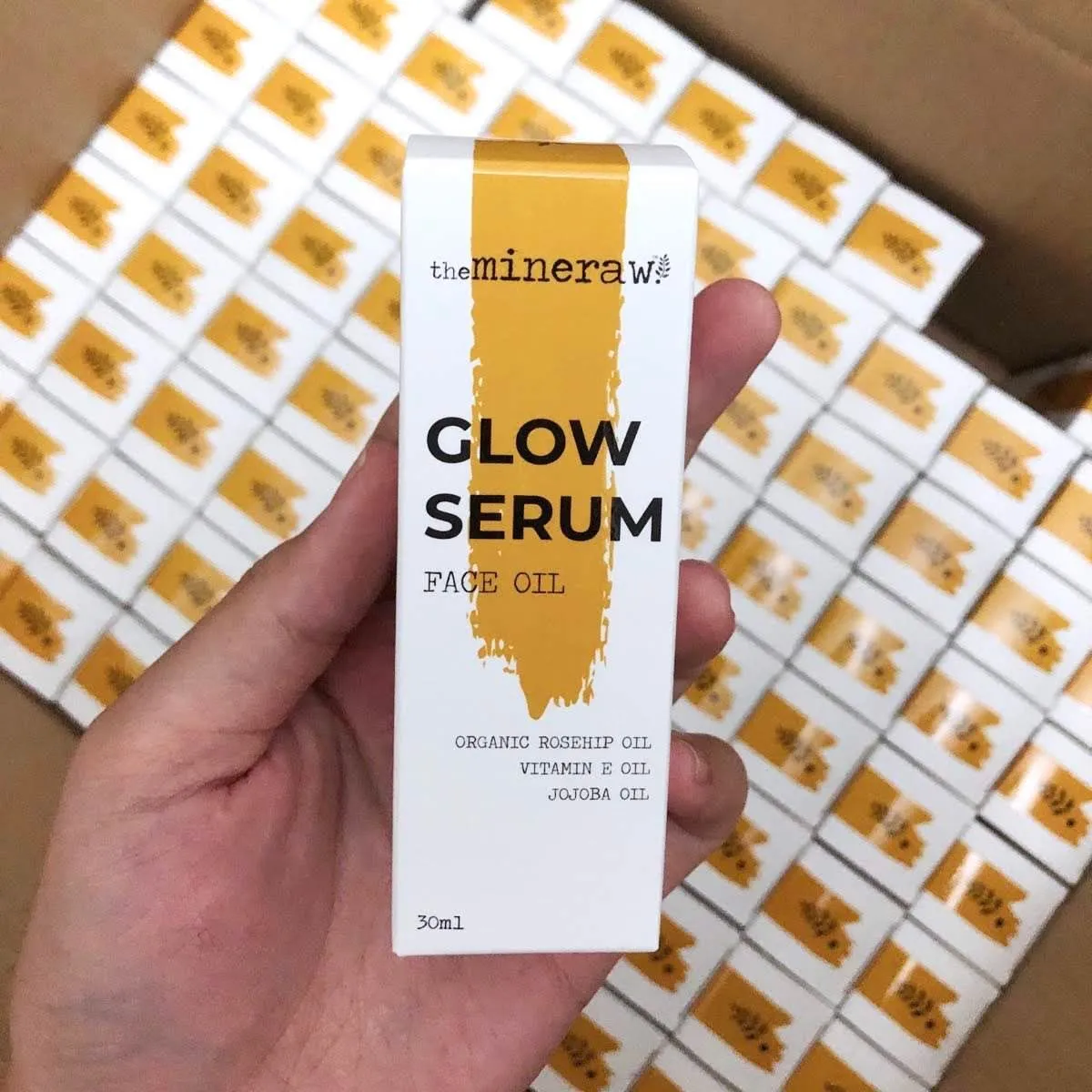
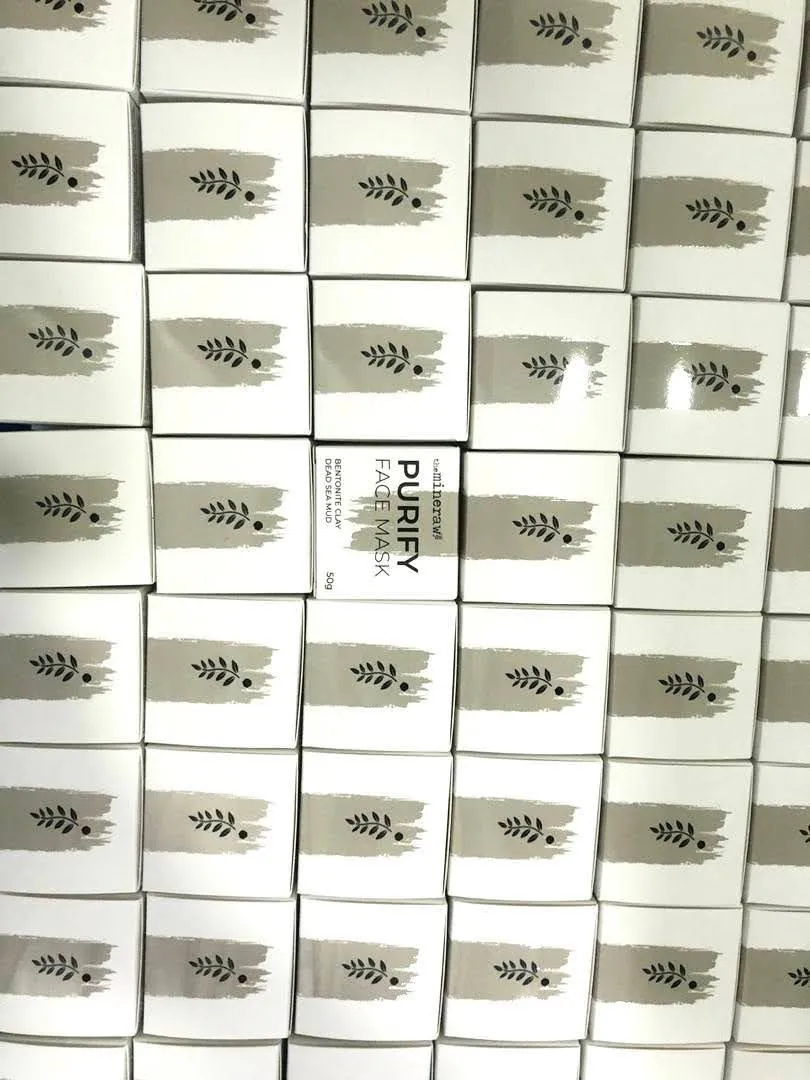
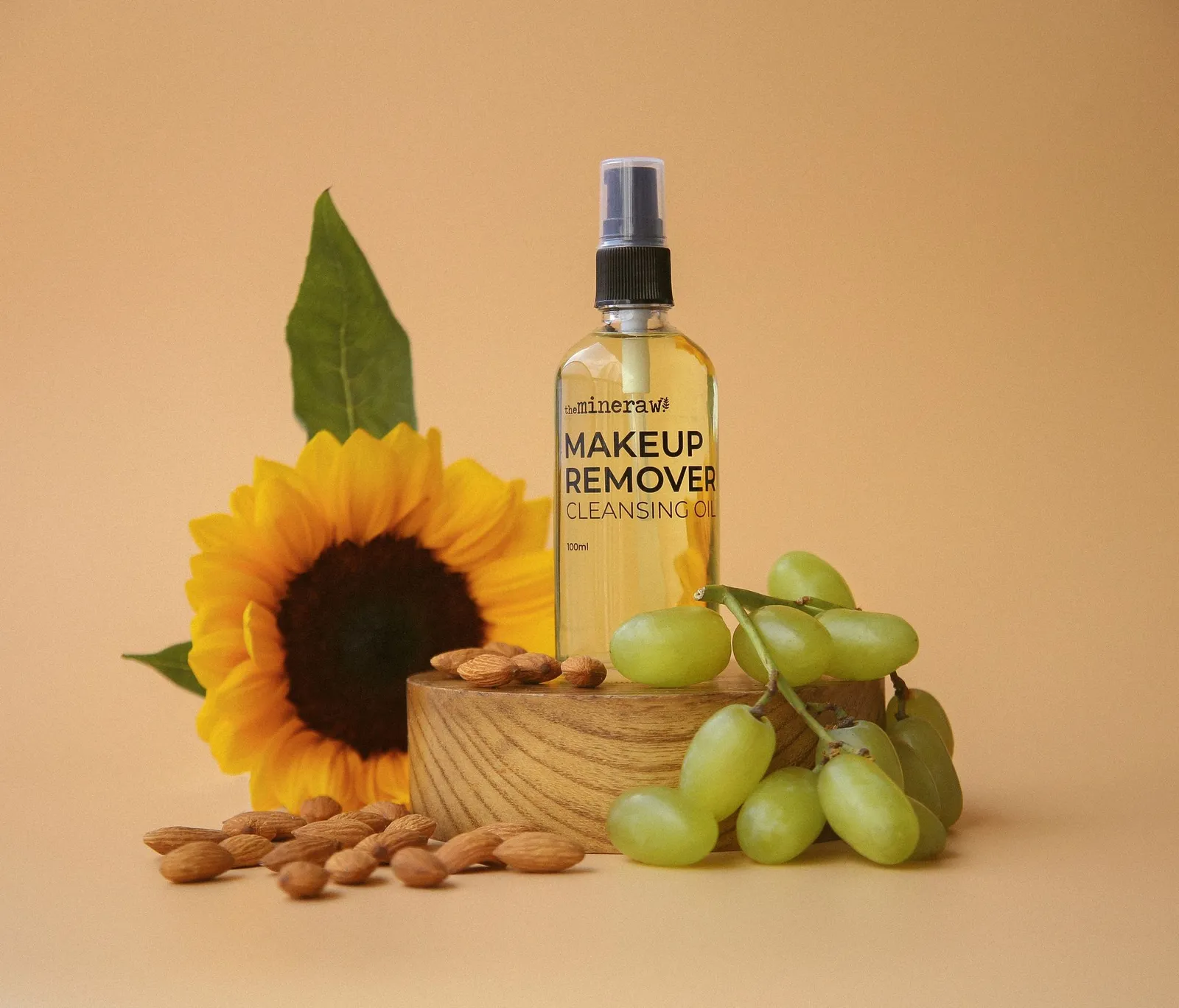
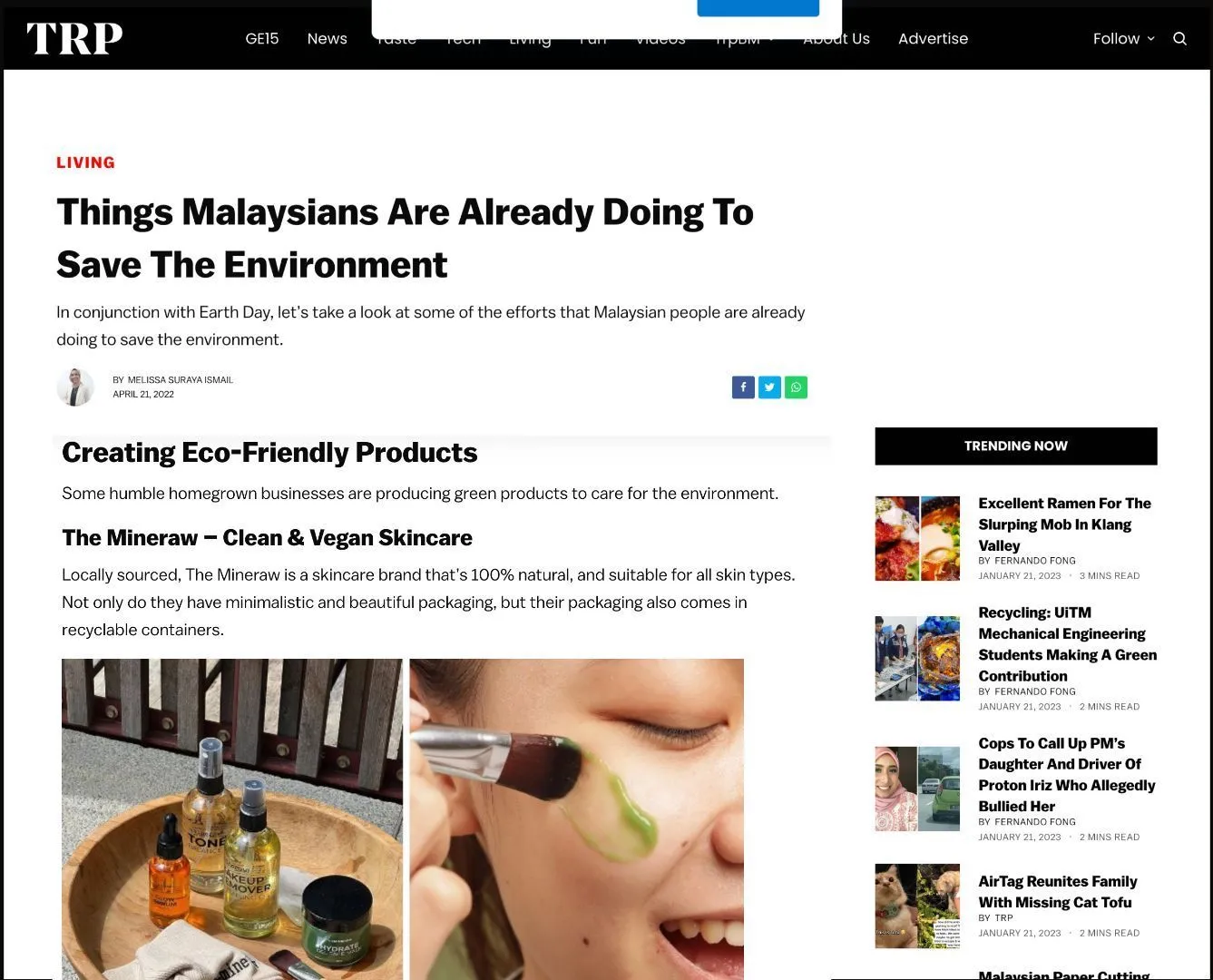
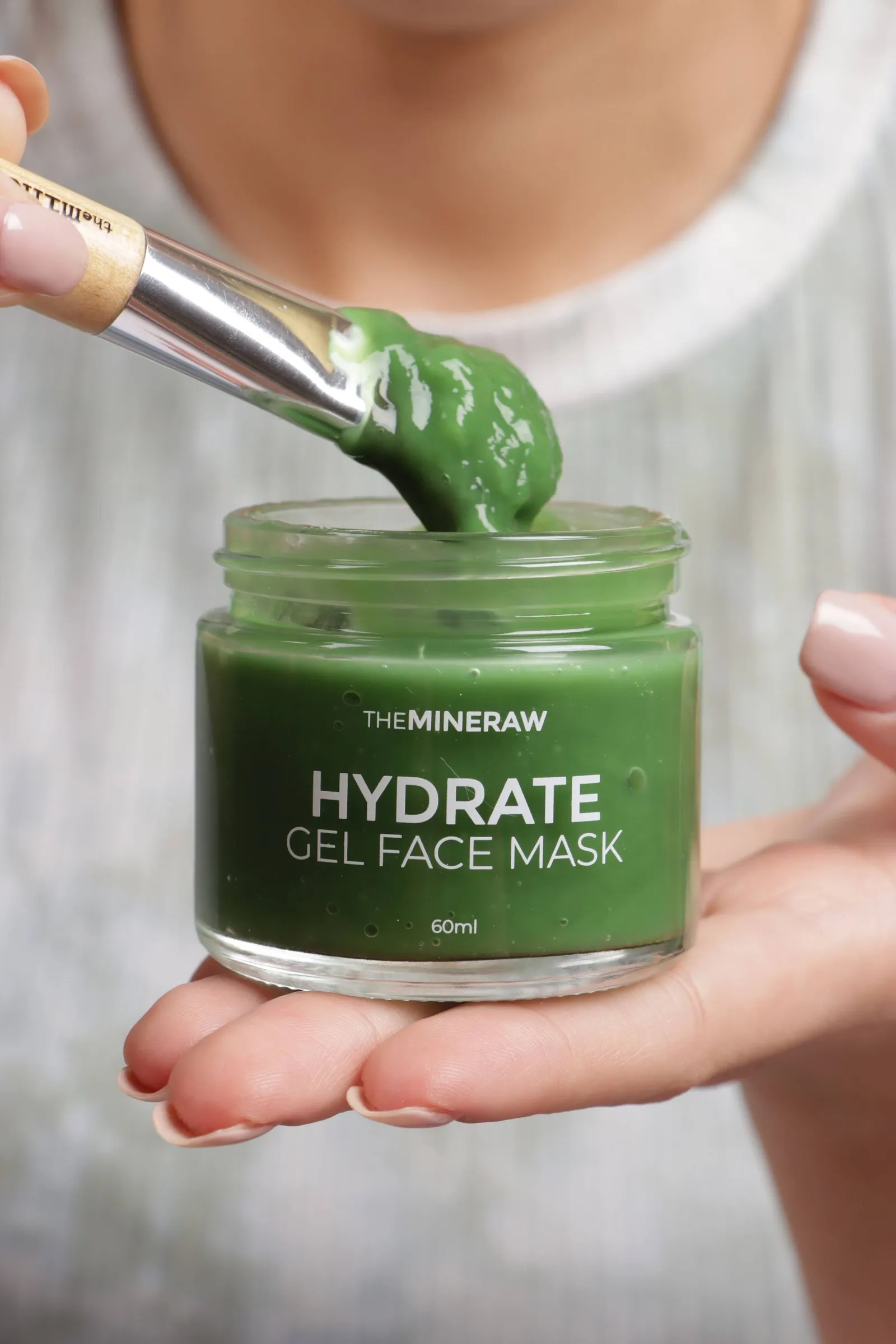
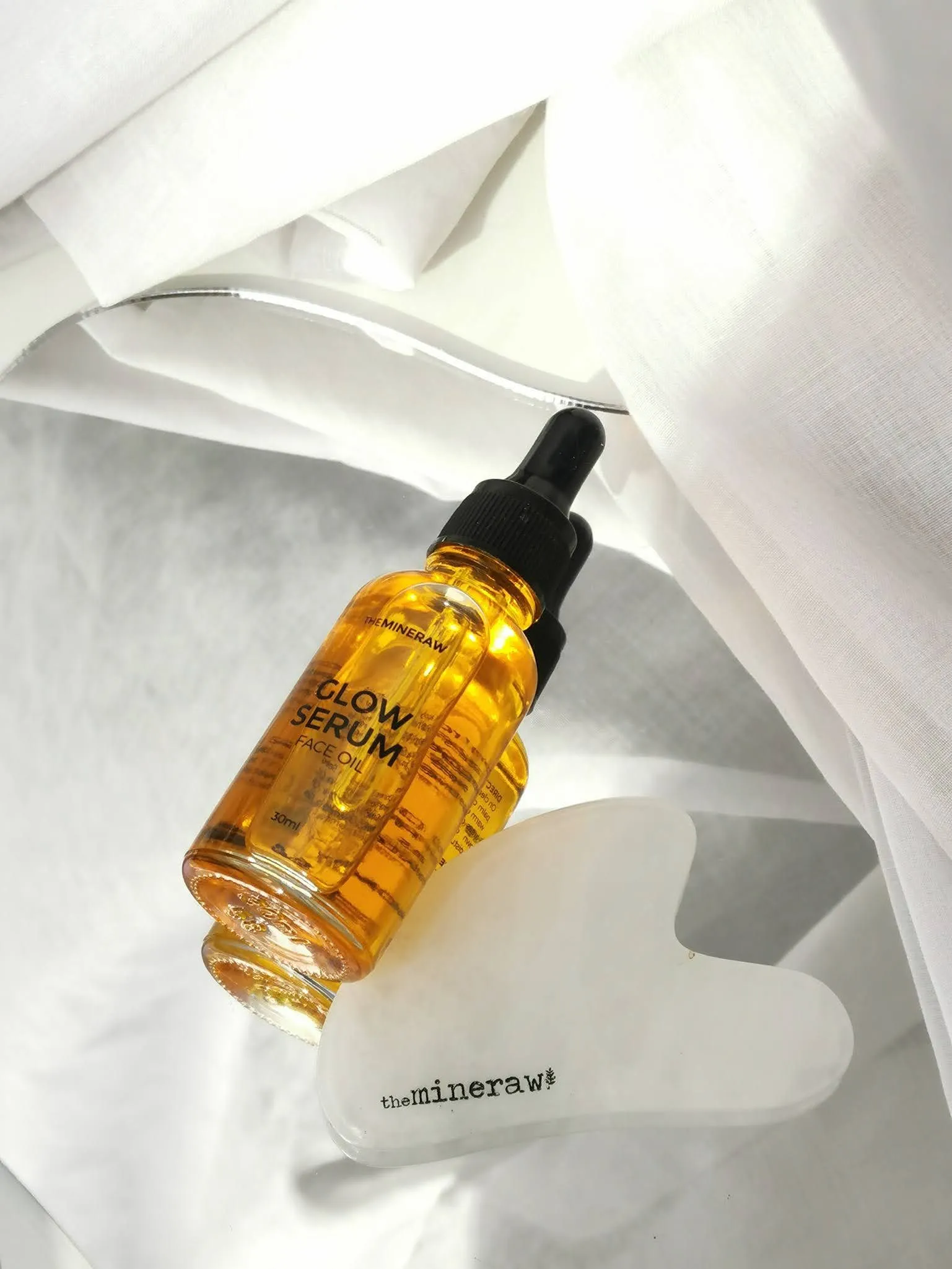
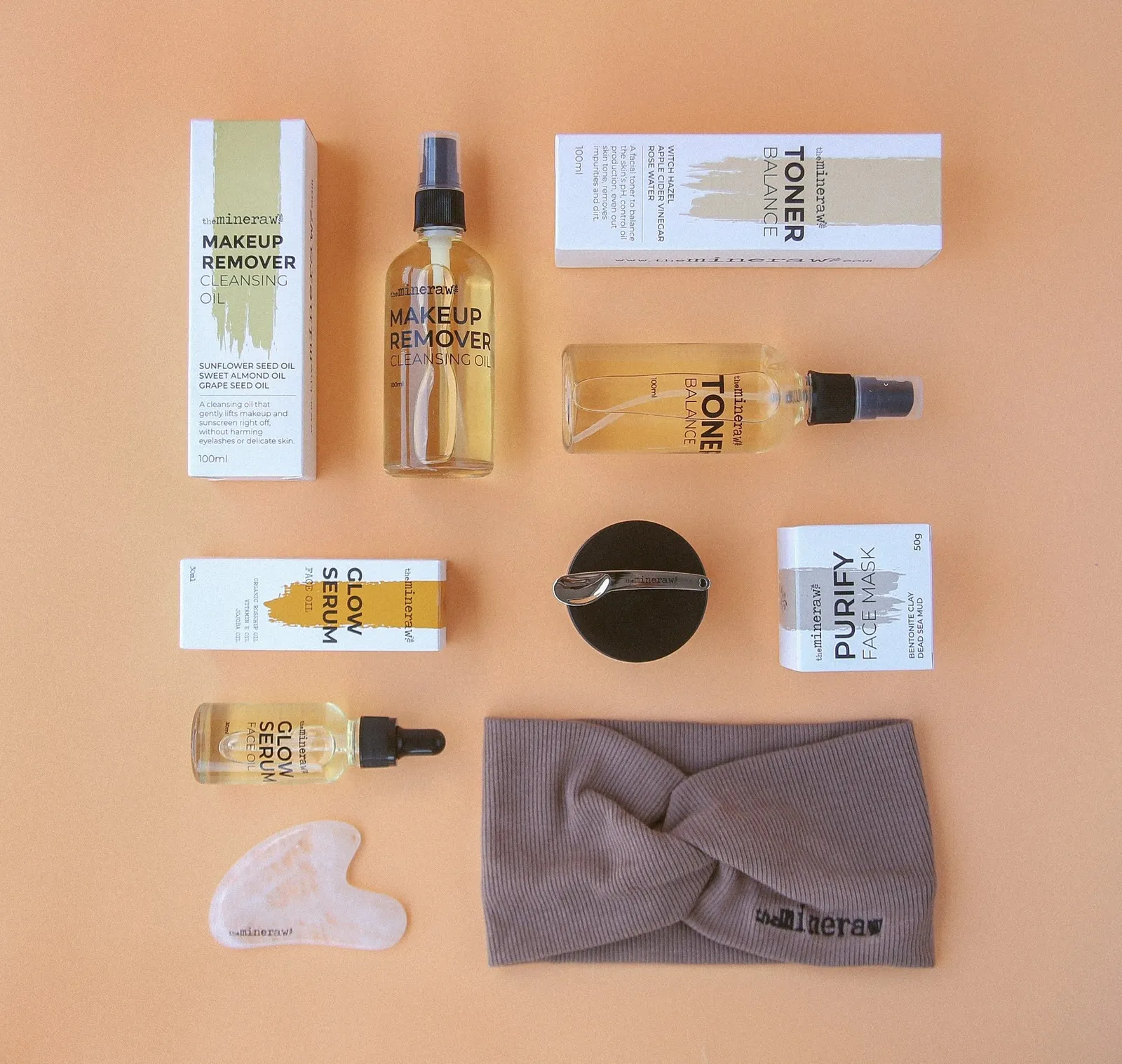
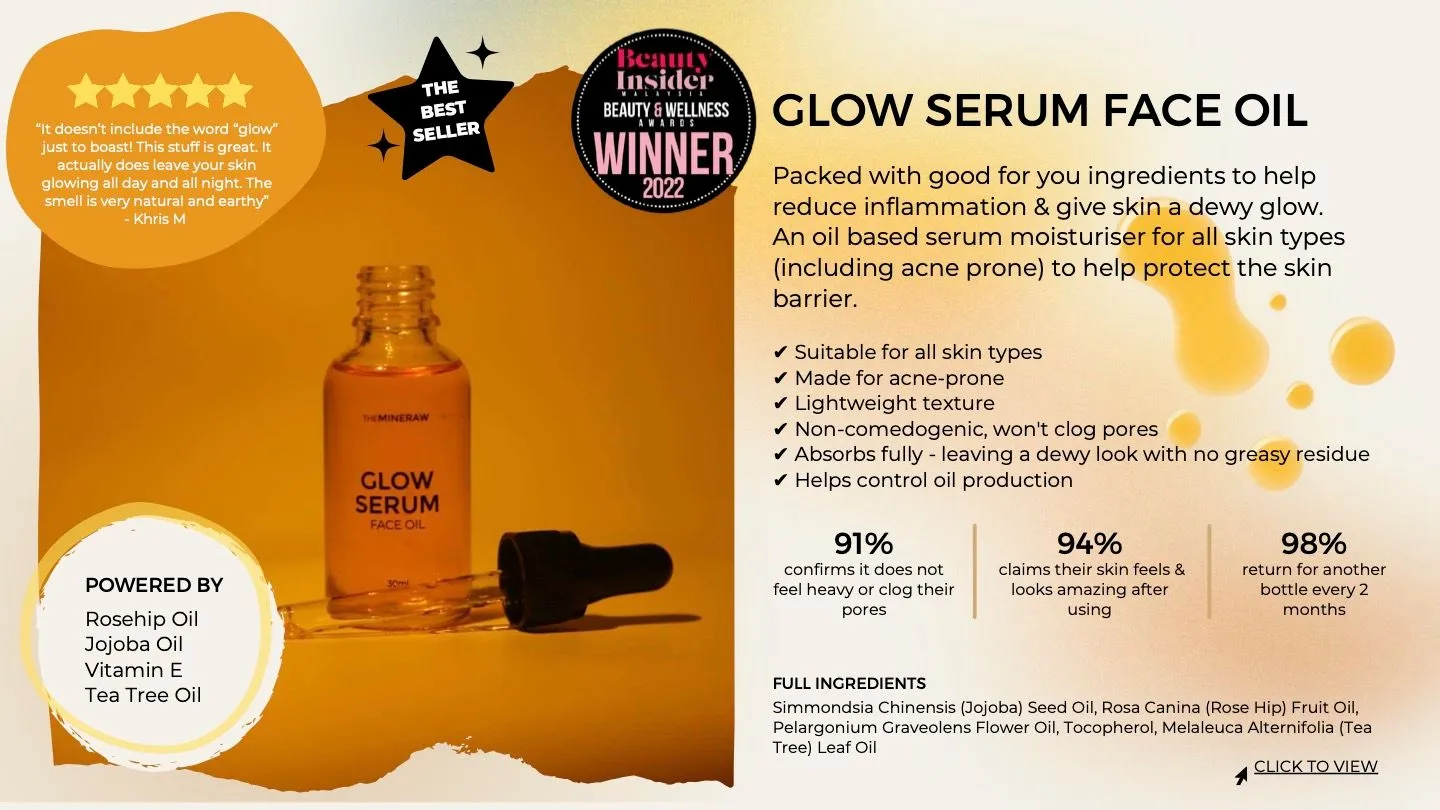
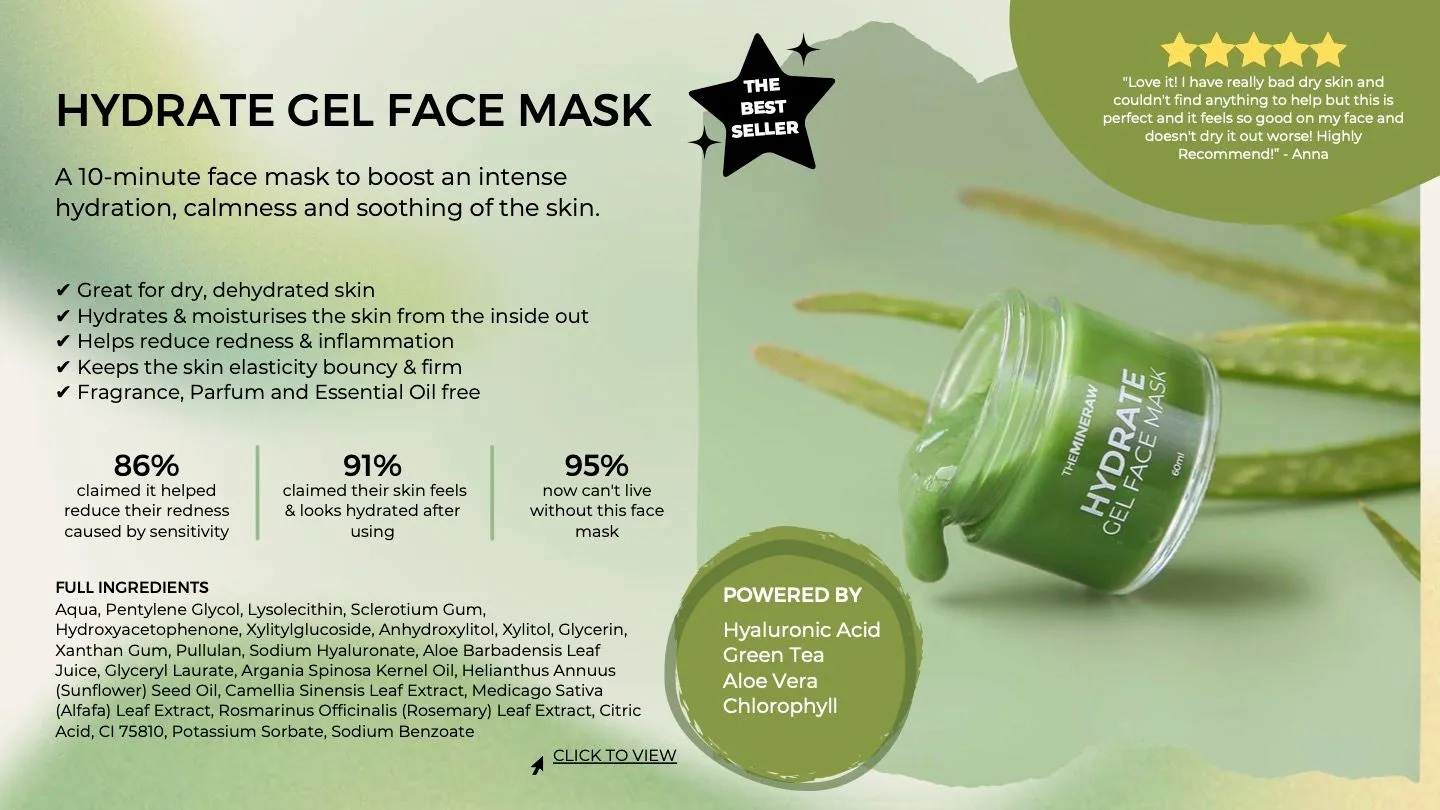
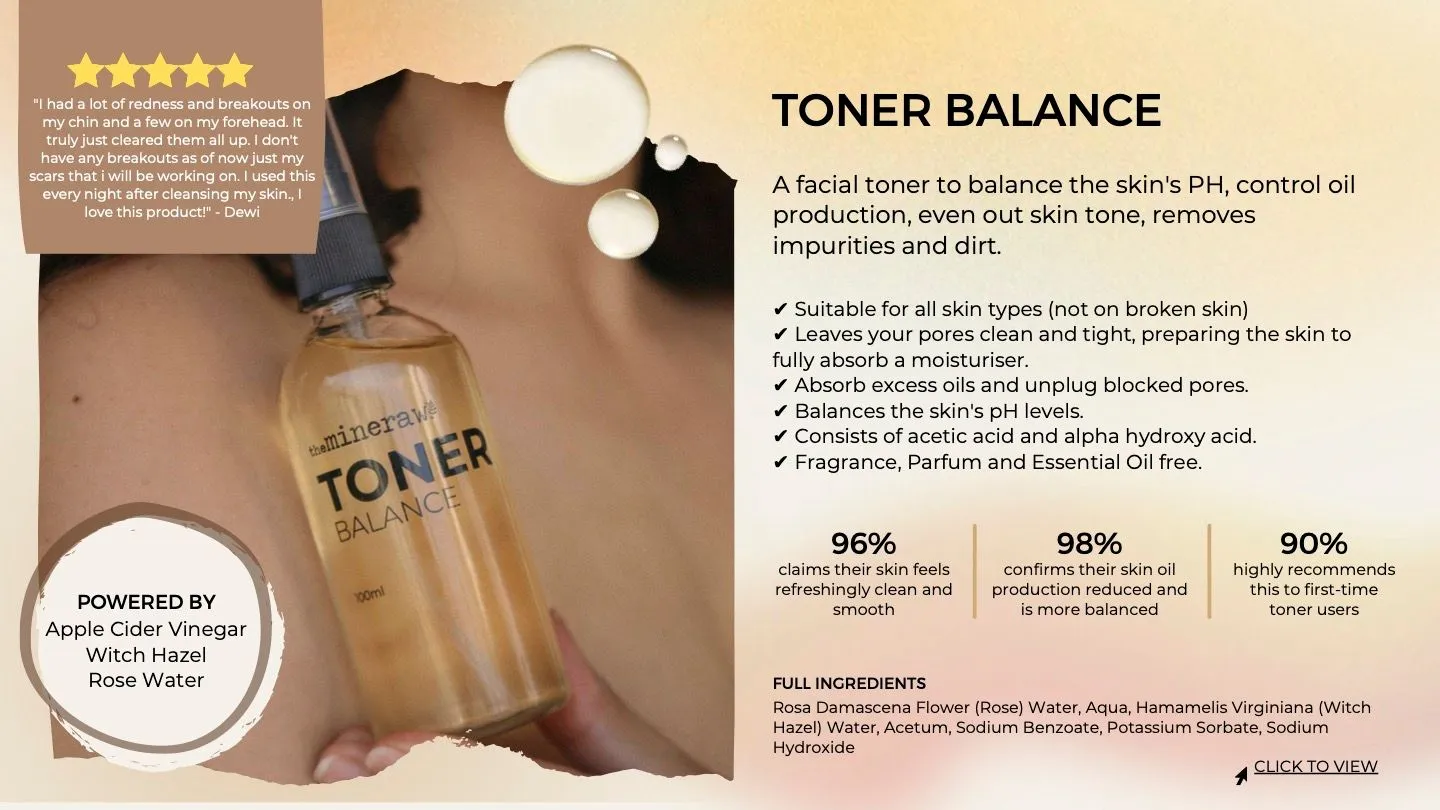
Formulated products from scratch — clay mask, rose water toner, and a face oil. The face oil was the counterintuitive call: conventional wisdom said oily, acne-prone skin and face oil don’t mix. Customers disagreed. It became the standout product.
-
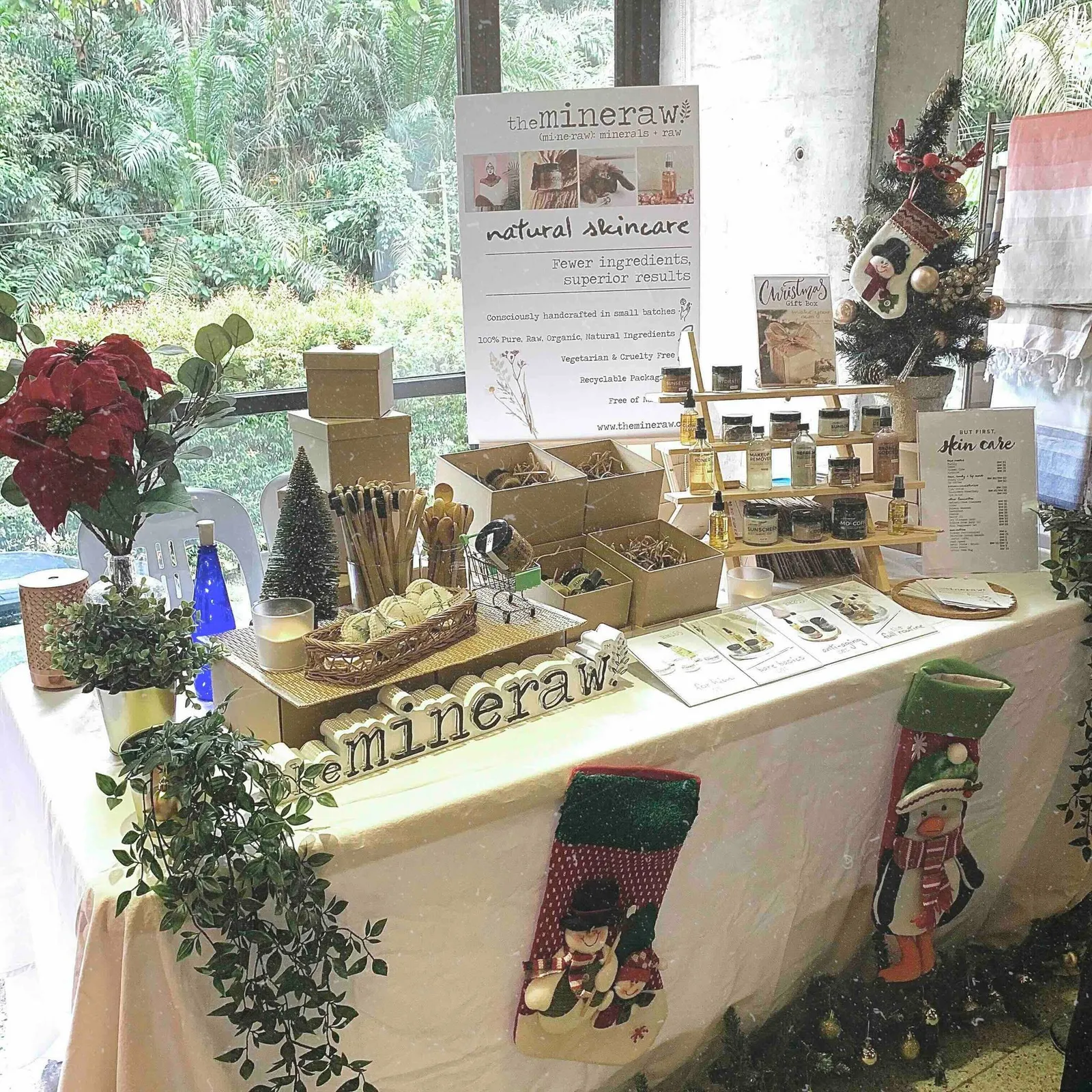
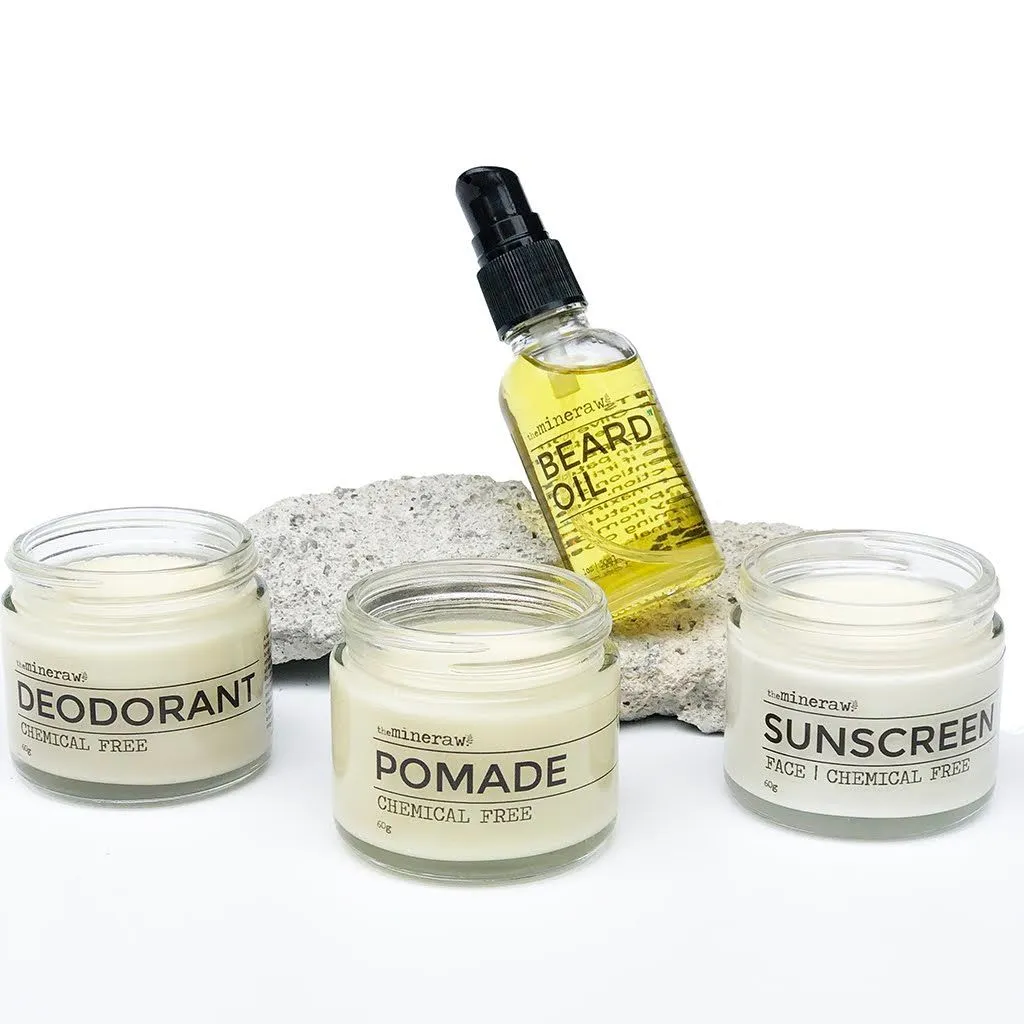
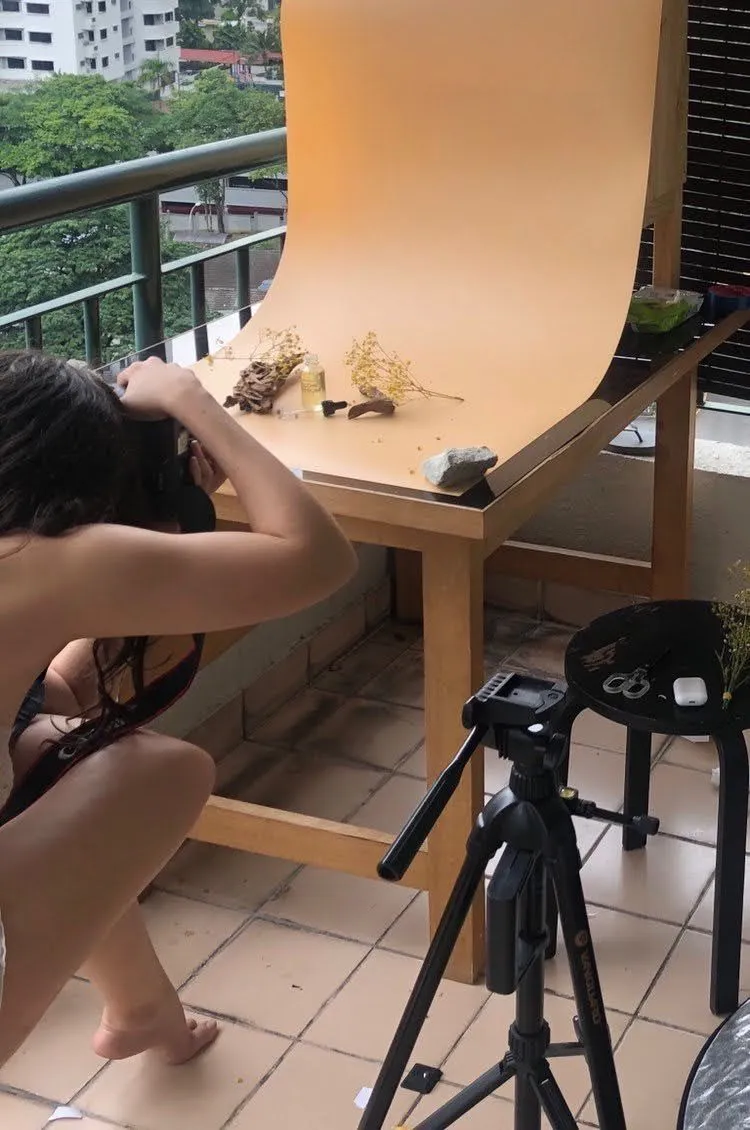
Defined brand identity before spending anything: name (mineral + raw = The Mineraw), logo, packaging, website, photography — all solo
-
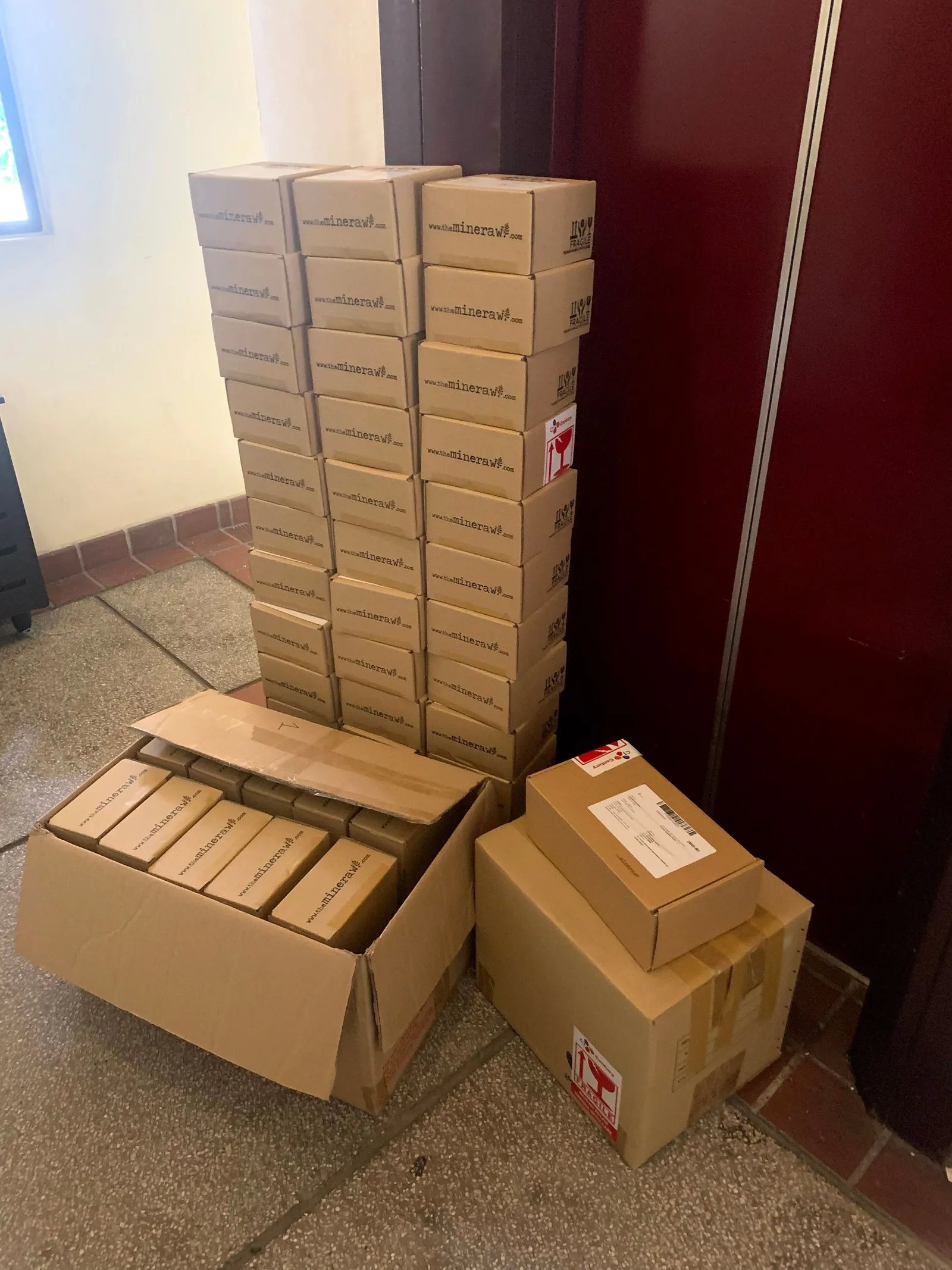
Launched in small batches; first products sold out before restocks were ready, with no marketing spend
Decision made: Stay lean, stay honest, grow only when demand pulls — not when budget pushes.
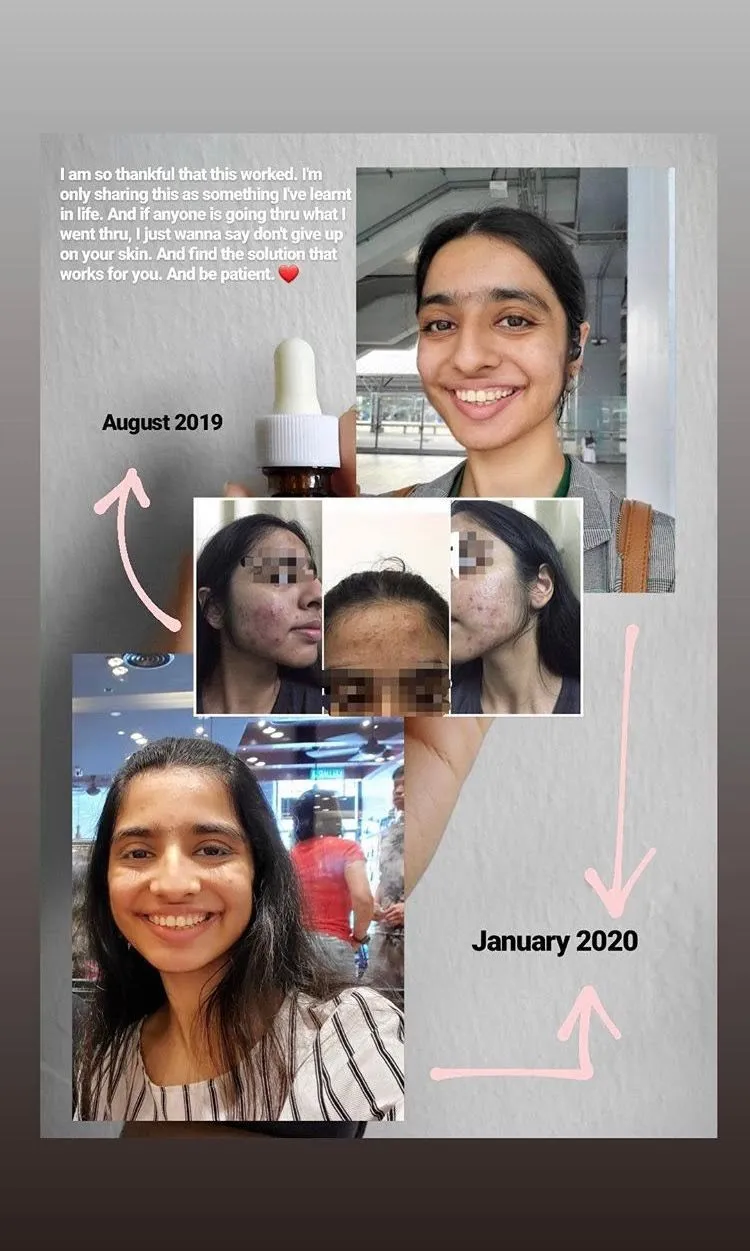
Outcome: Profitable within the first month. Revenue-funded from that point forward — no external capital for the first three years. Early customers returned and referred others. Demand exceeded batch capacity before any marketing spend.
📈 Phase 2 — Scale & Systematise
2019–2021 — Factory production, retail expansion, organic growth
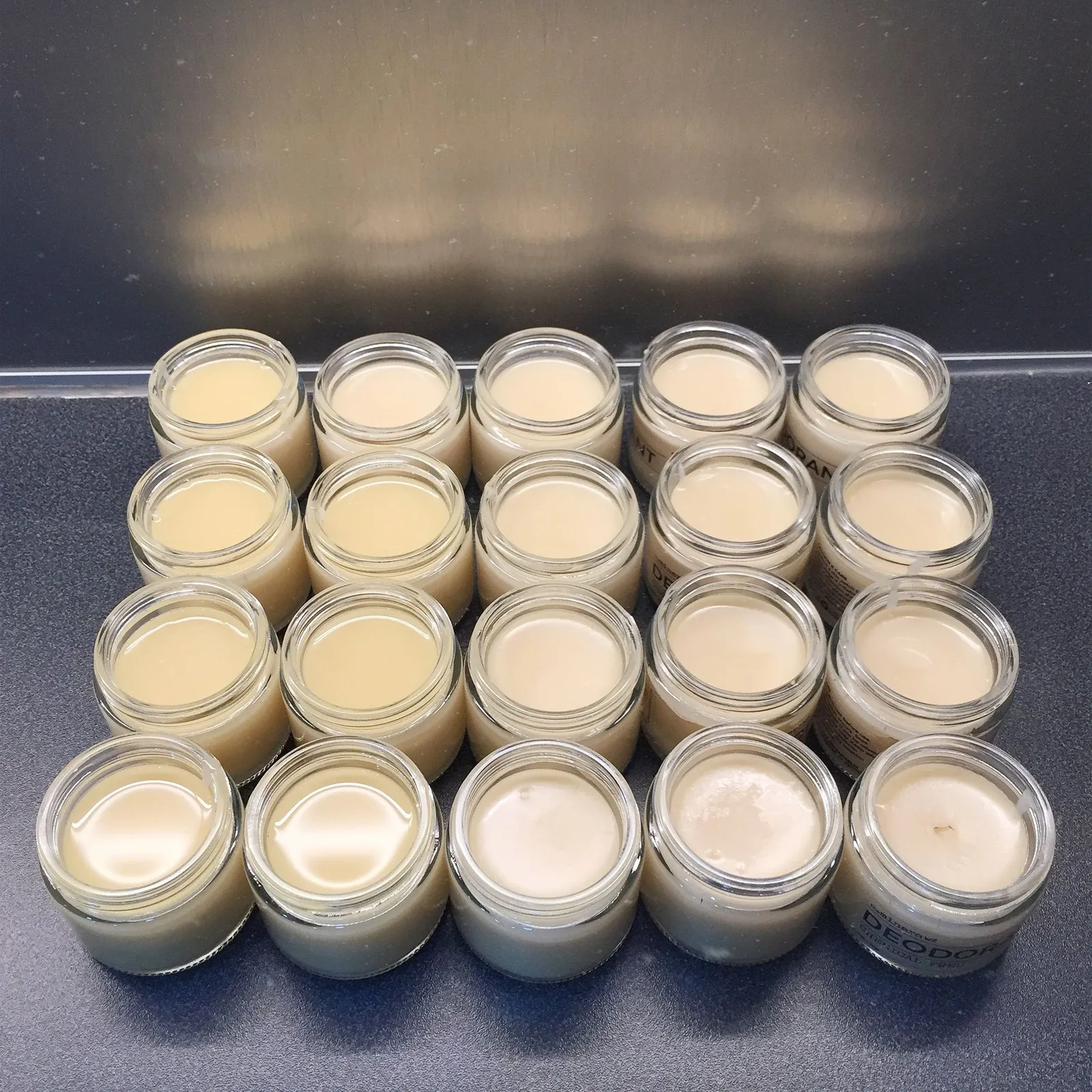
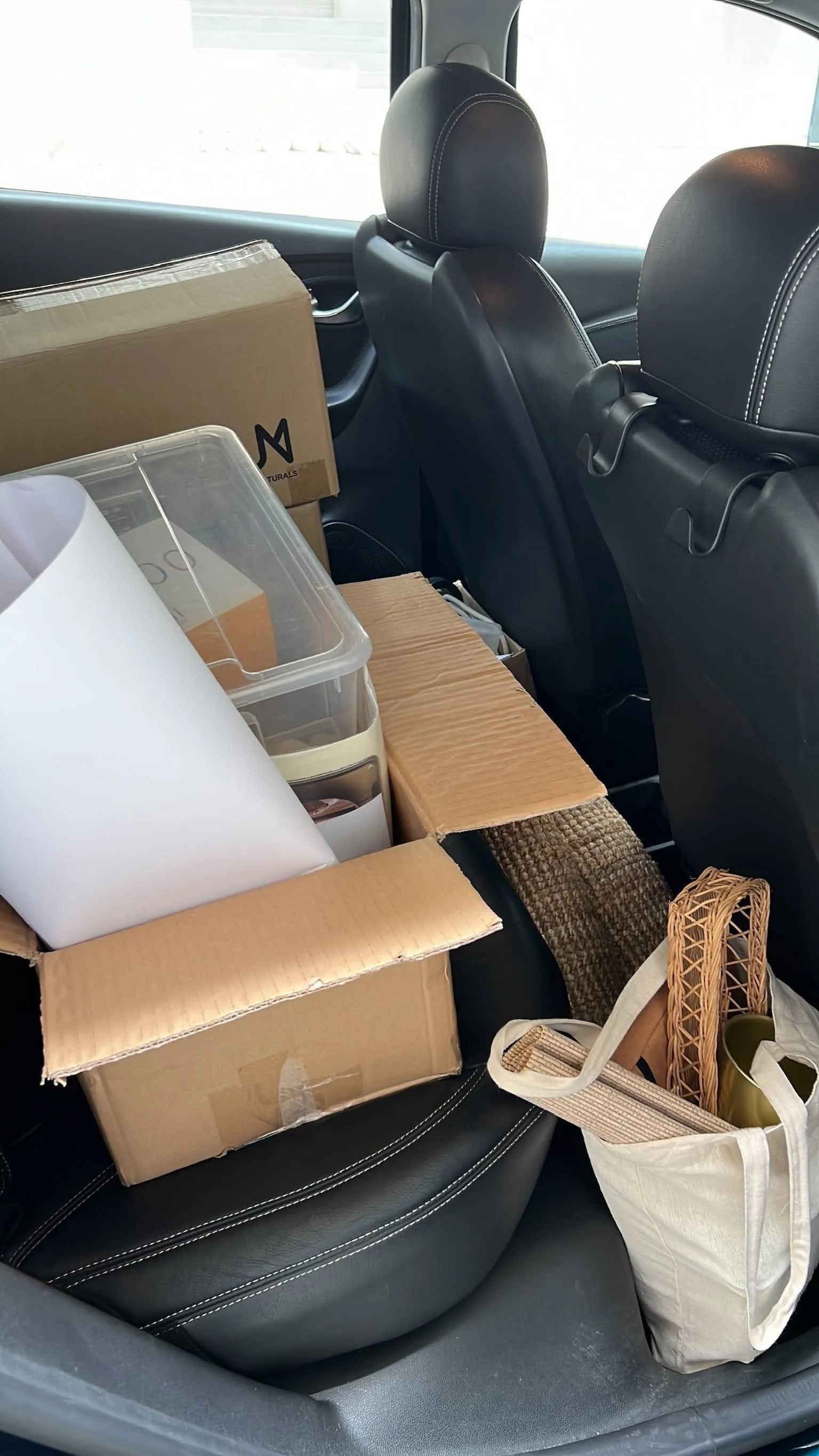
Business problem: Kitchen production couldn’t meet demand. Operations were entirely manual. No systems for inventory, fulfilment, or reordering.
Approach
-
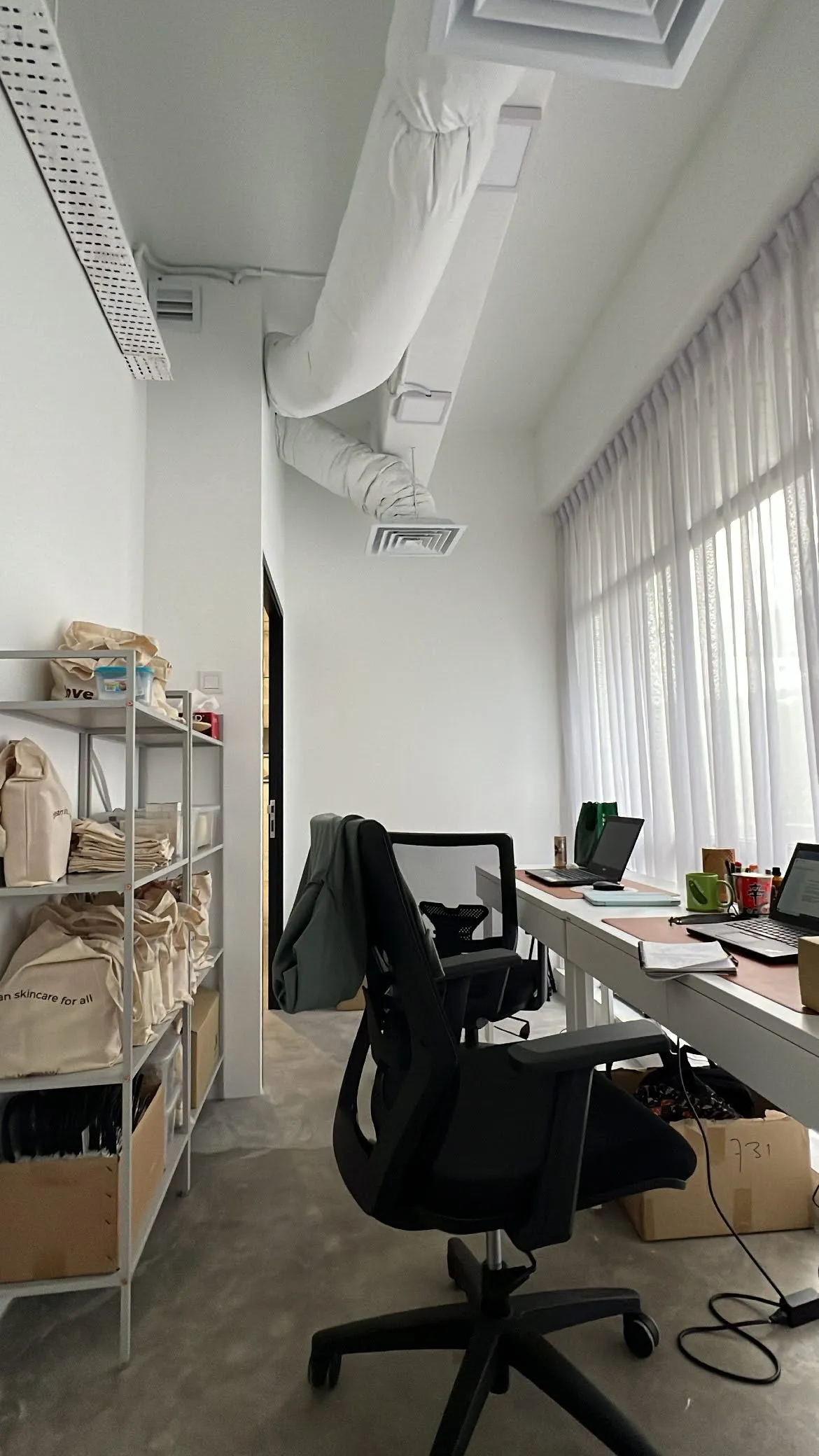
Mapped kitchen-to-customer fulfilment from scratch; identified where solo operation was creating bottlenecks
-
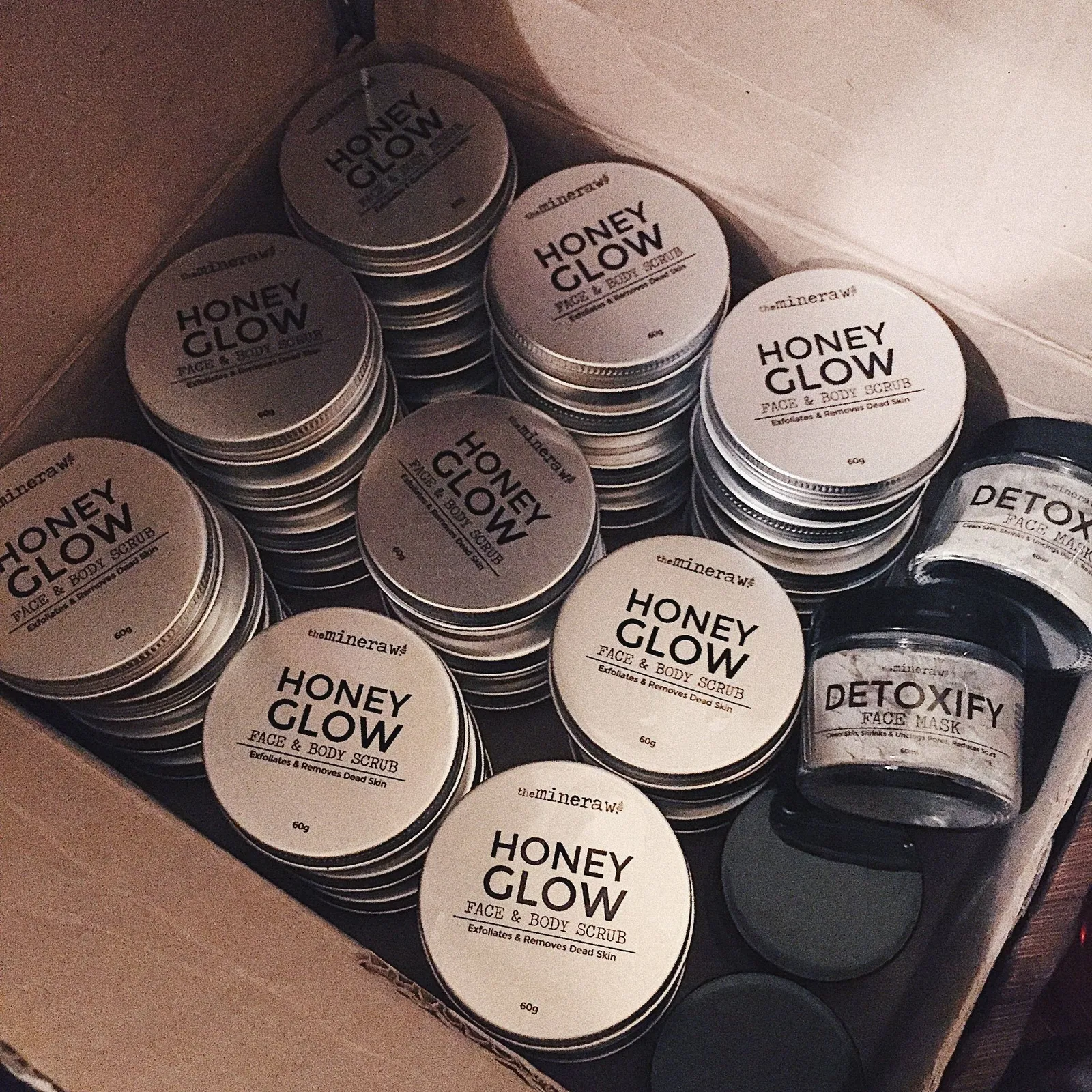
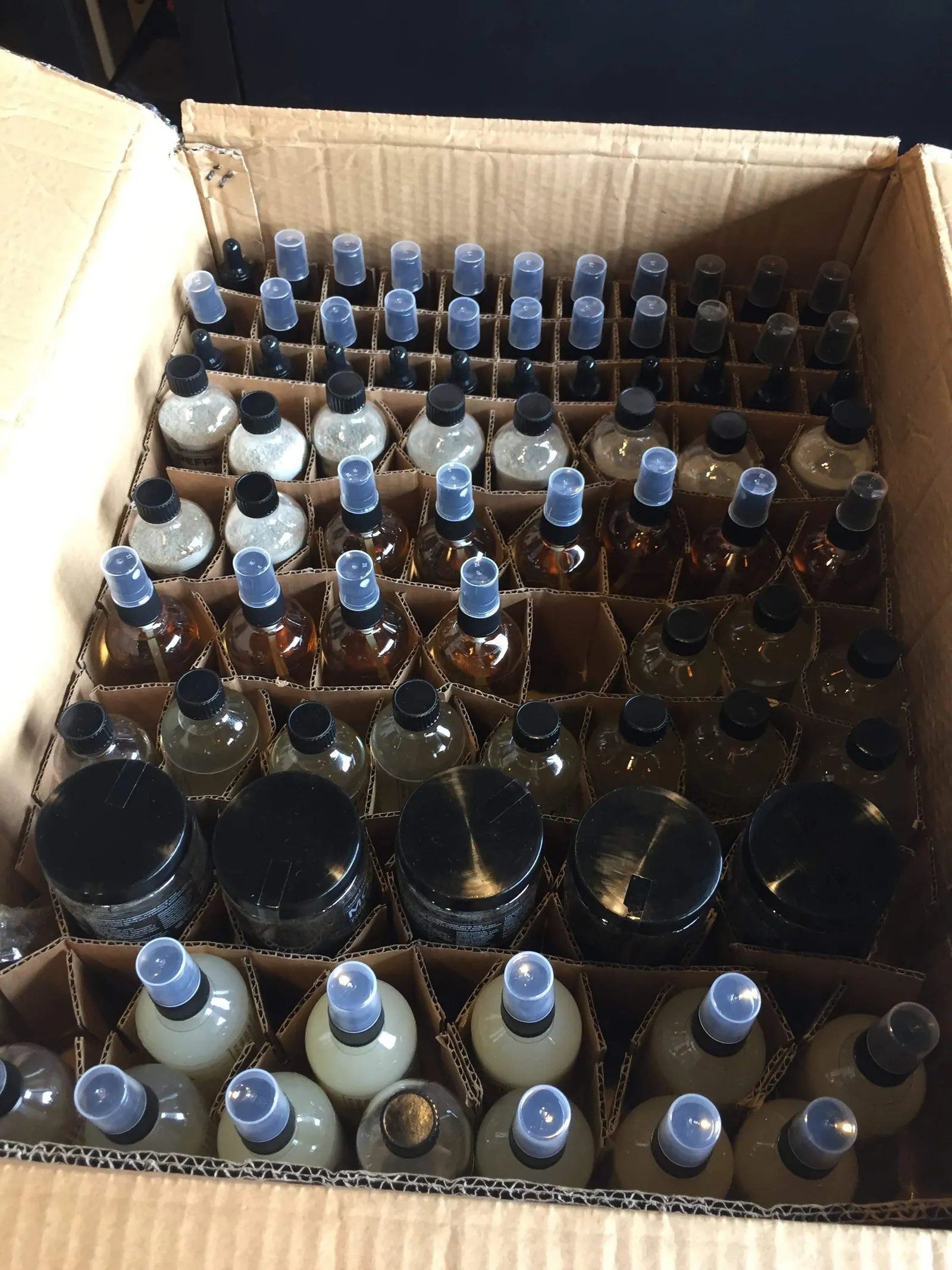
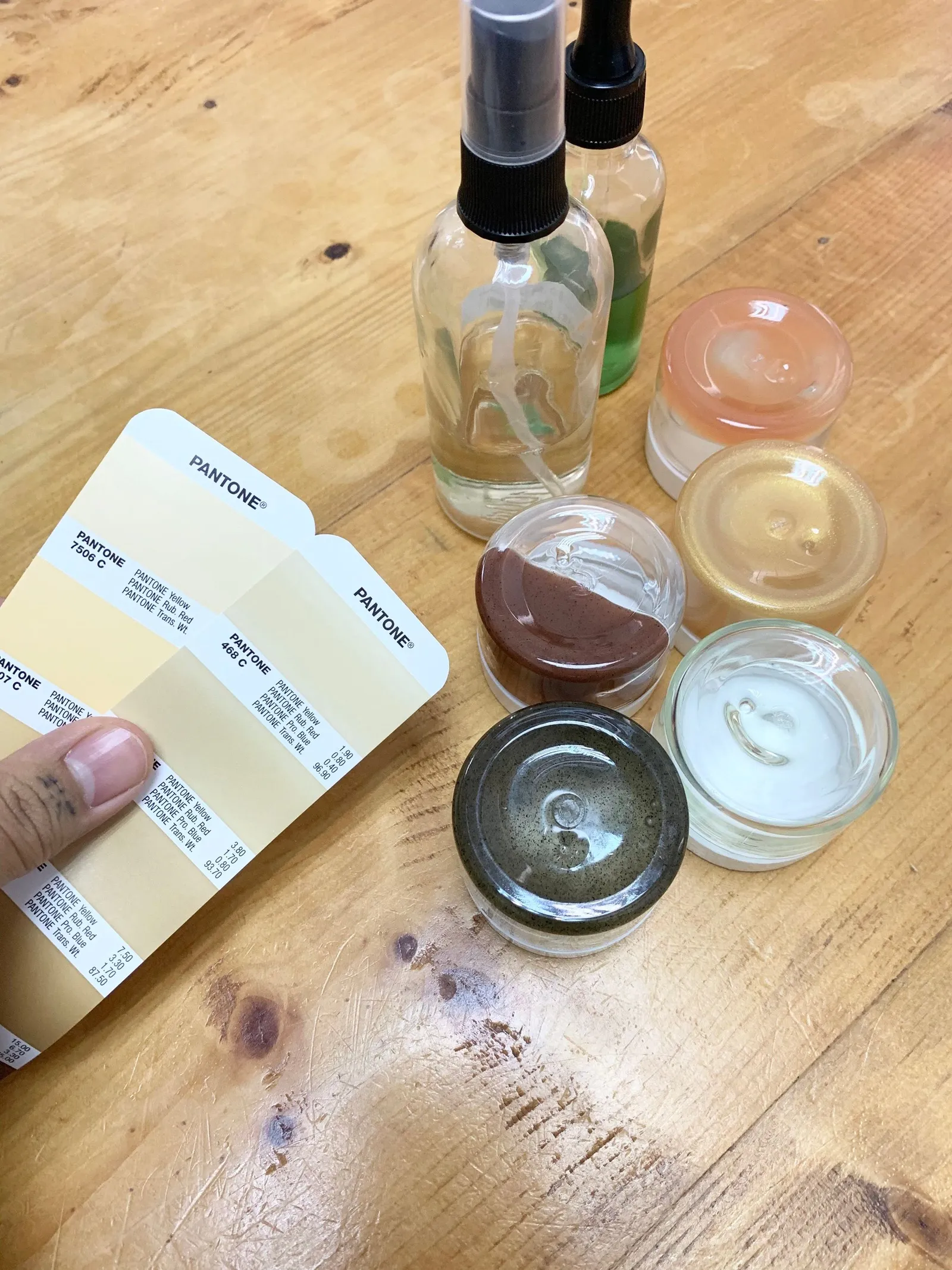
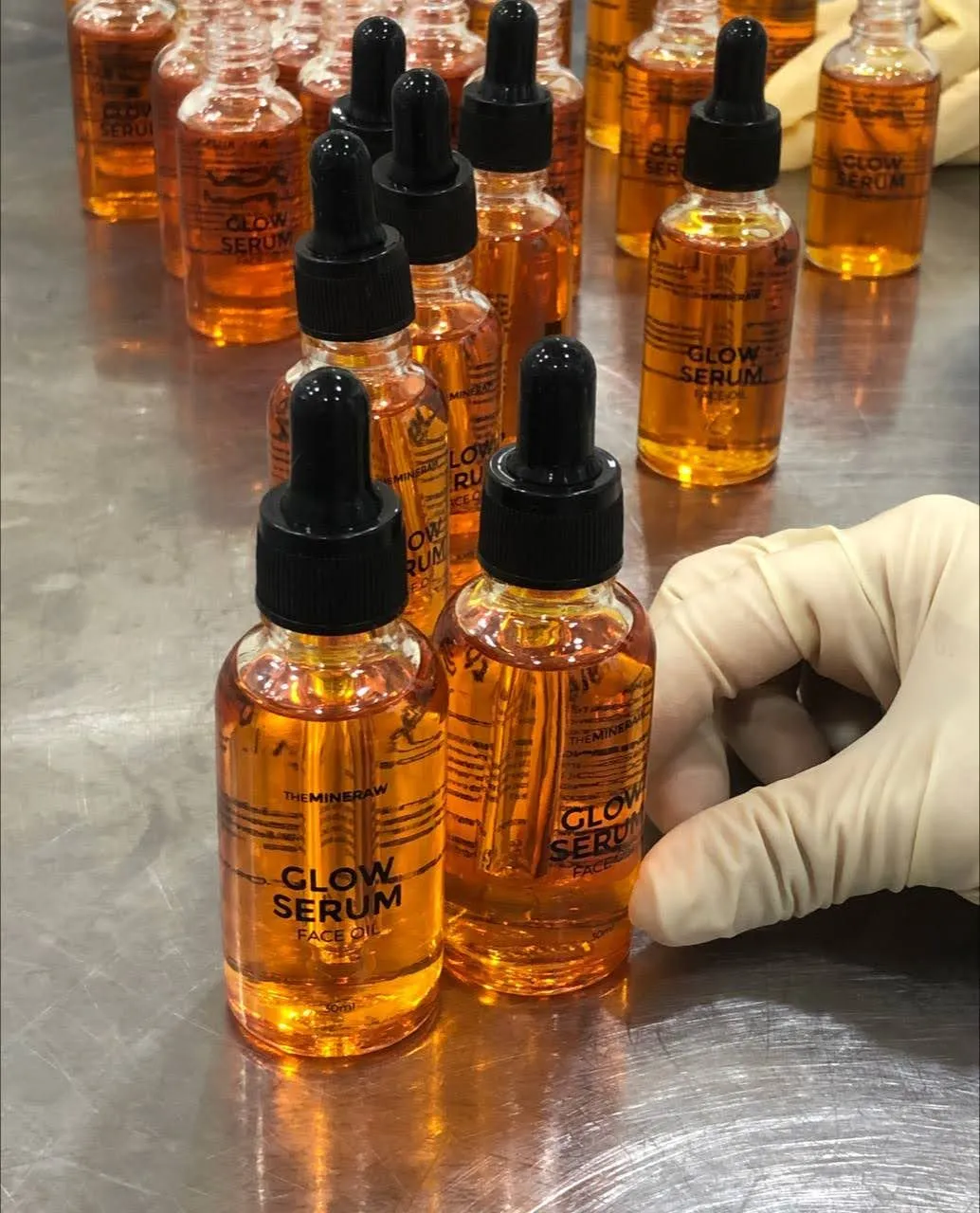
Briefed and onboarded a contracted manufacturer — defined formulation requirements, batch sizes, quality standards, and turnaround expectations
-
Defined packaging specifications end-to-end: materials, print specs, supplier briefs
-
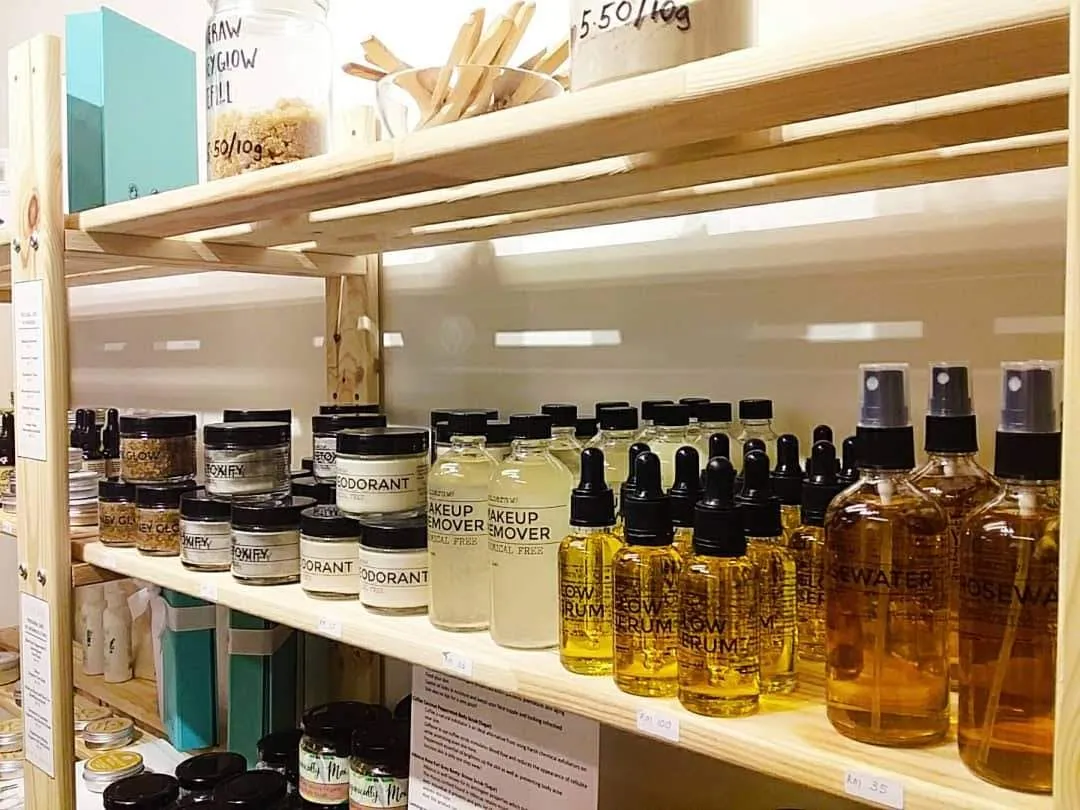
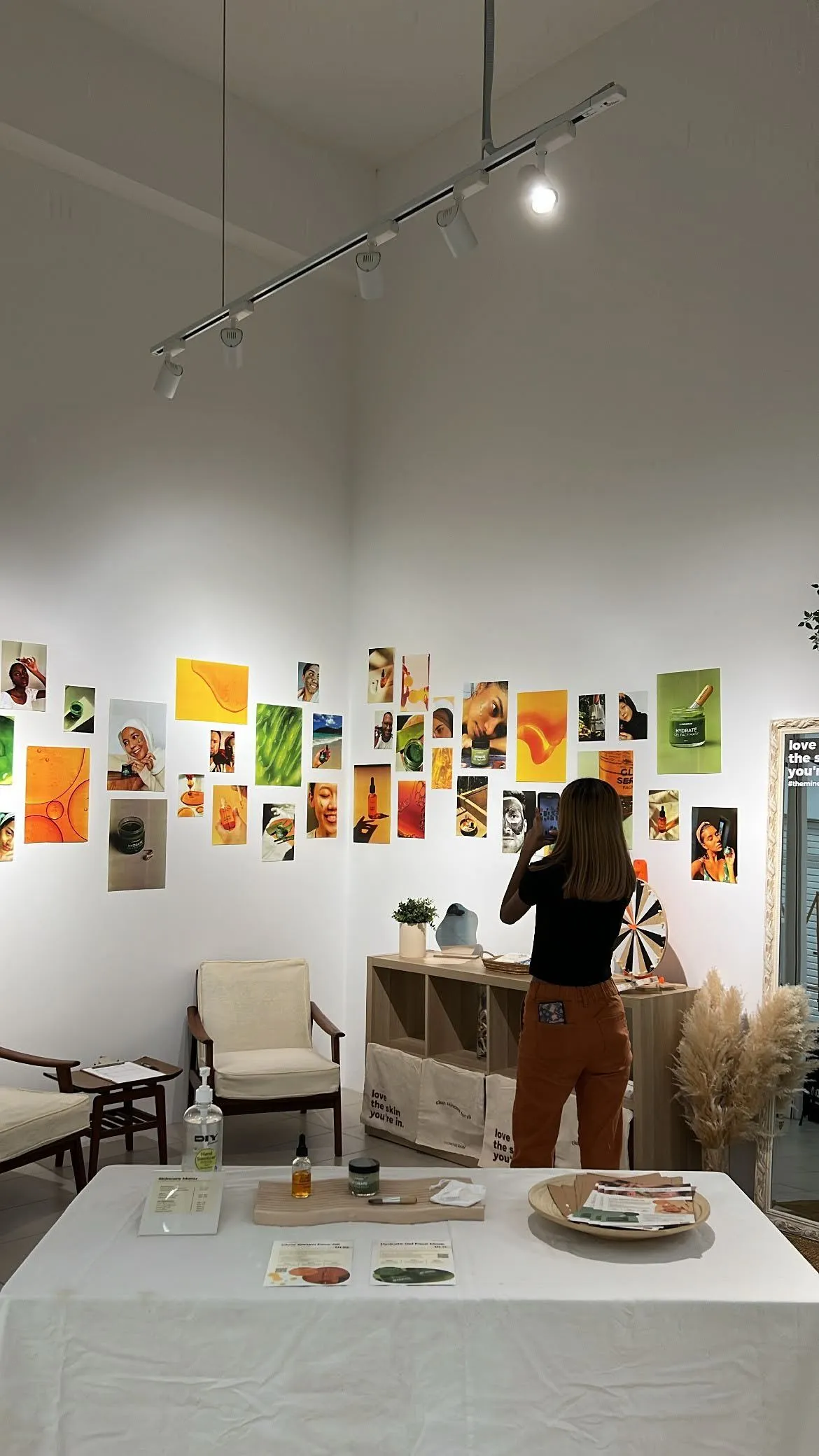
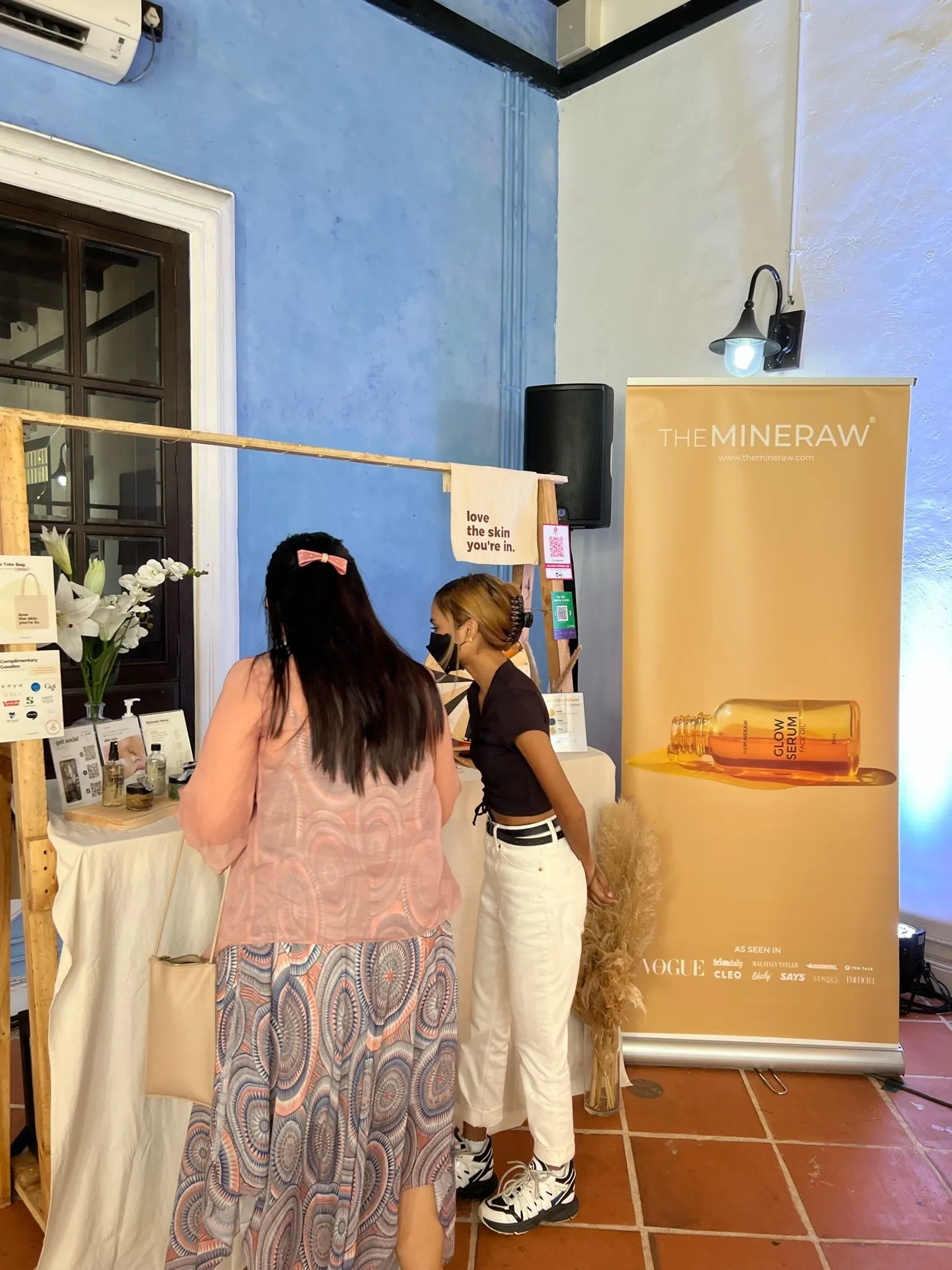
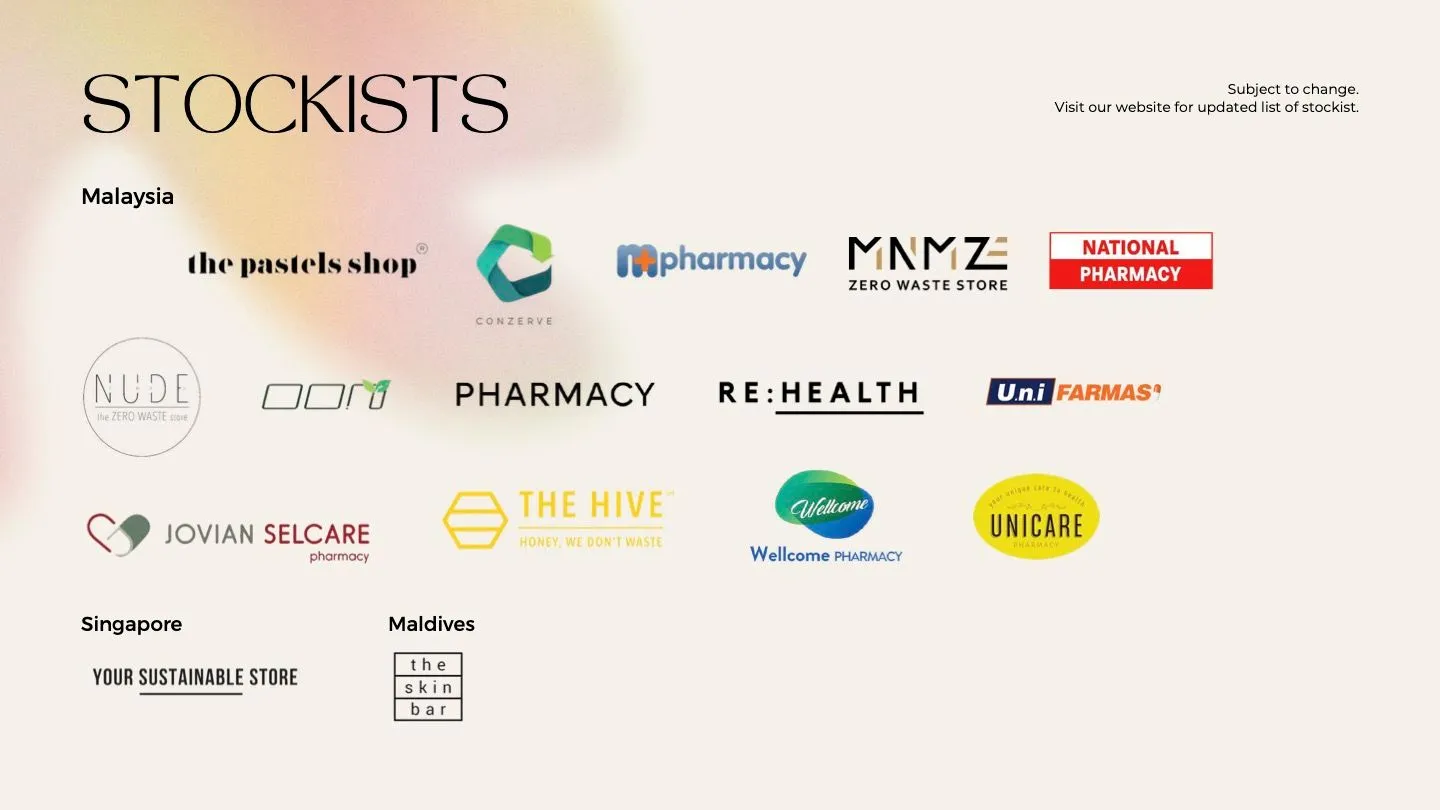
Expanded from DTC online to physical retail across KL — mix of outbound outreach and inbound stockist interest
-
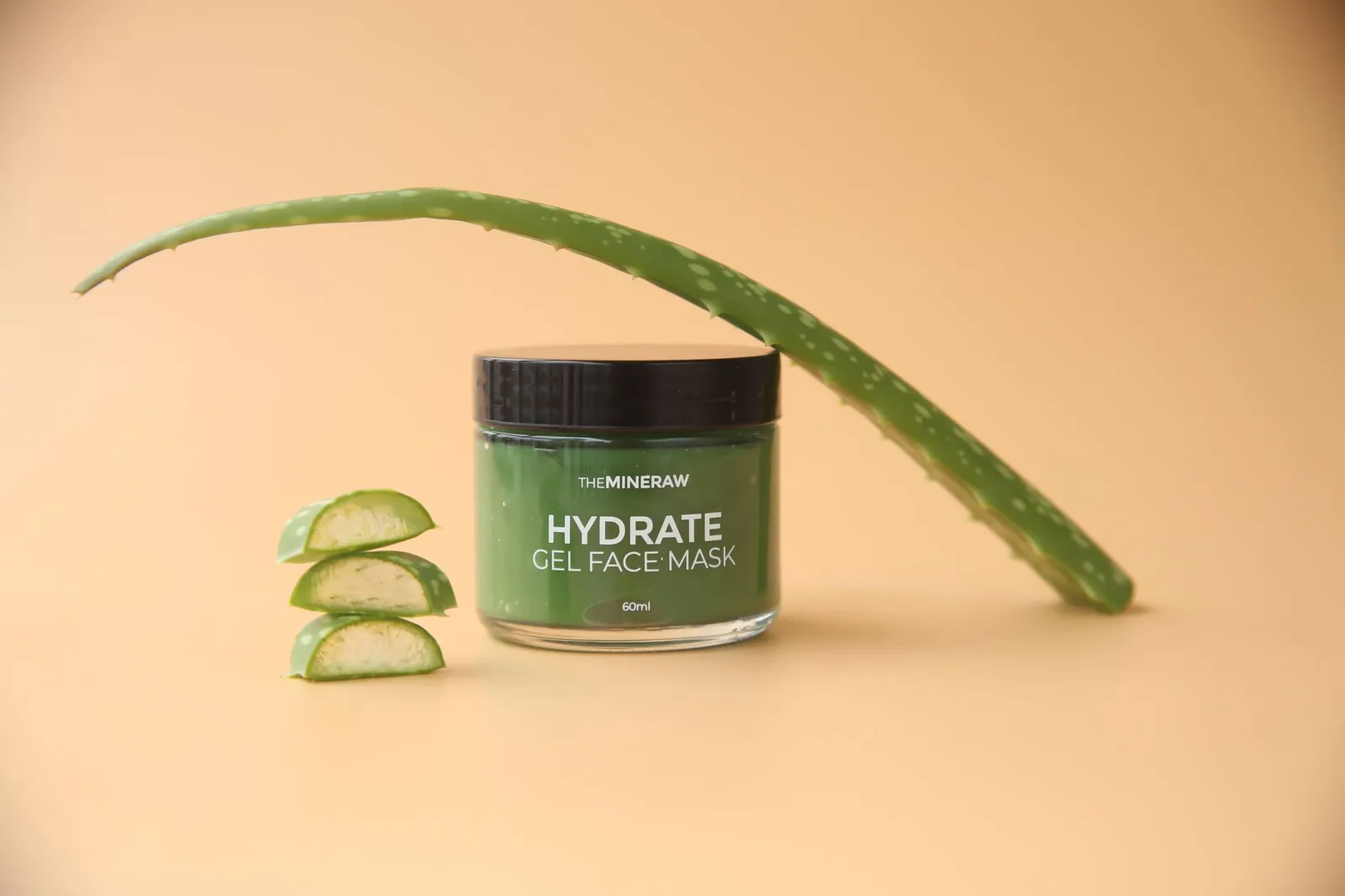
Scaled to 10 active SKUs; discontinued underperformers with transparent customer communication
Decision made: Treat every operational process like a product — define it, document it, iterate on it.
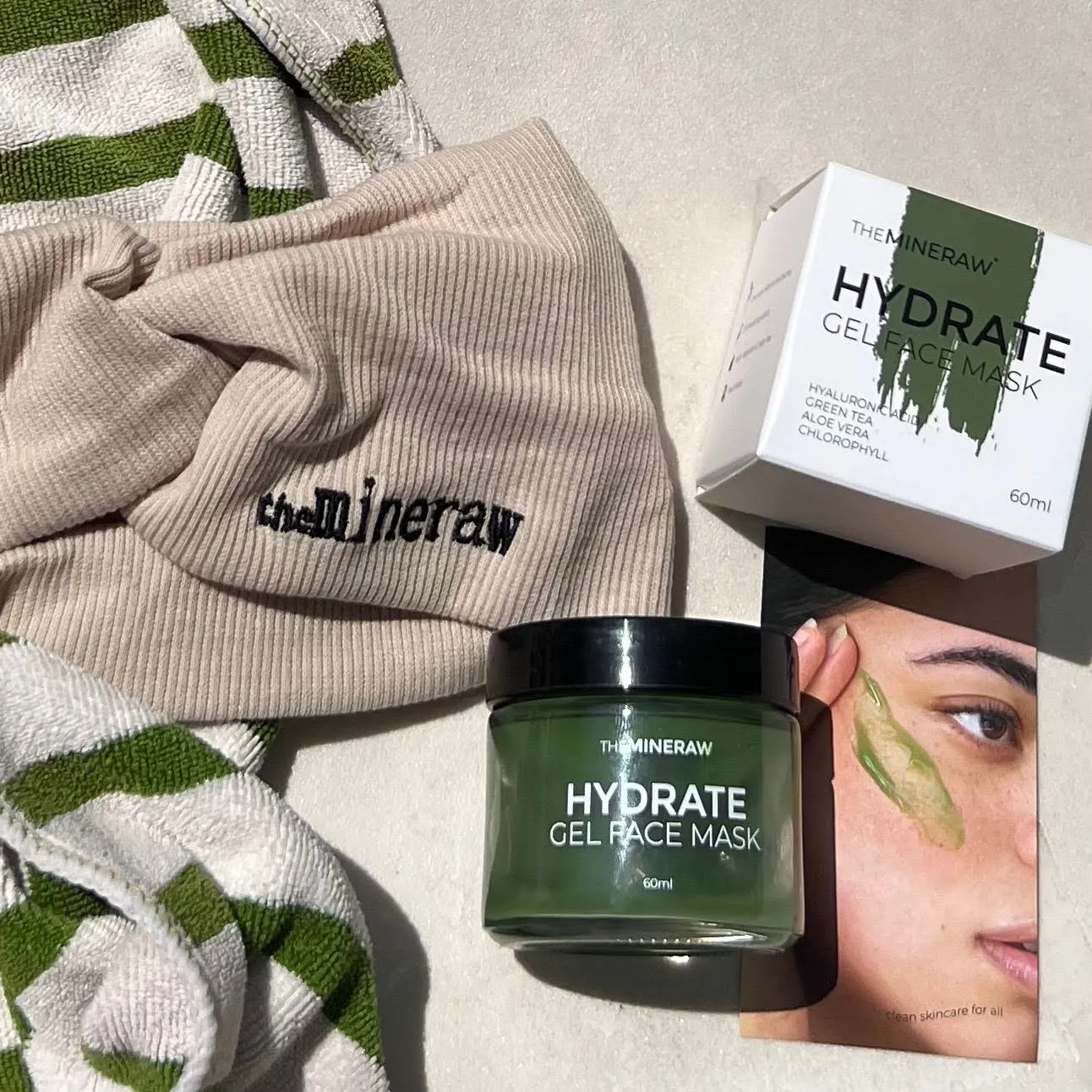
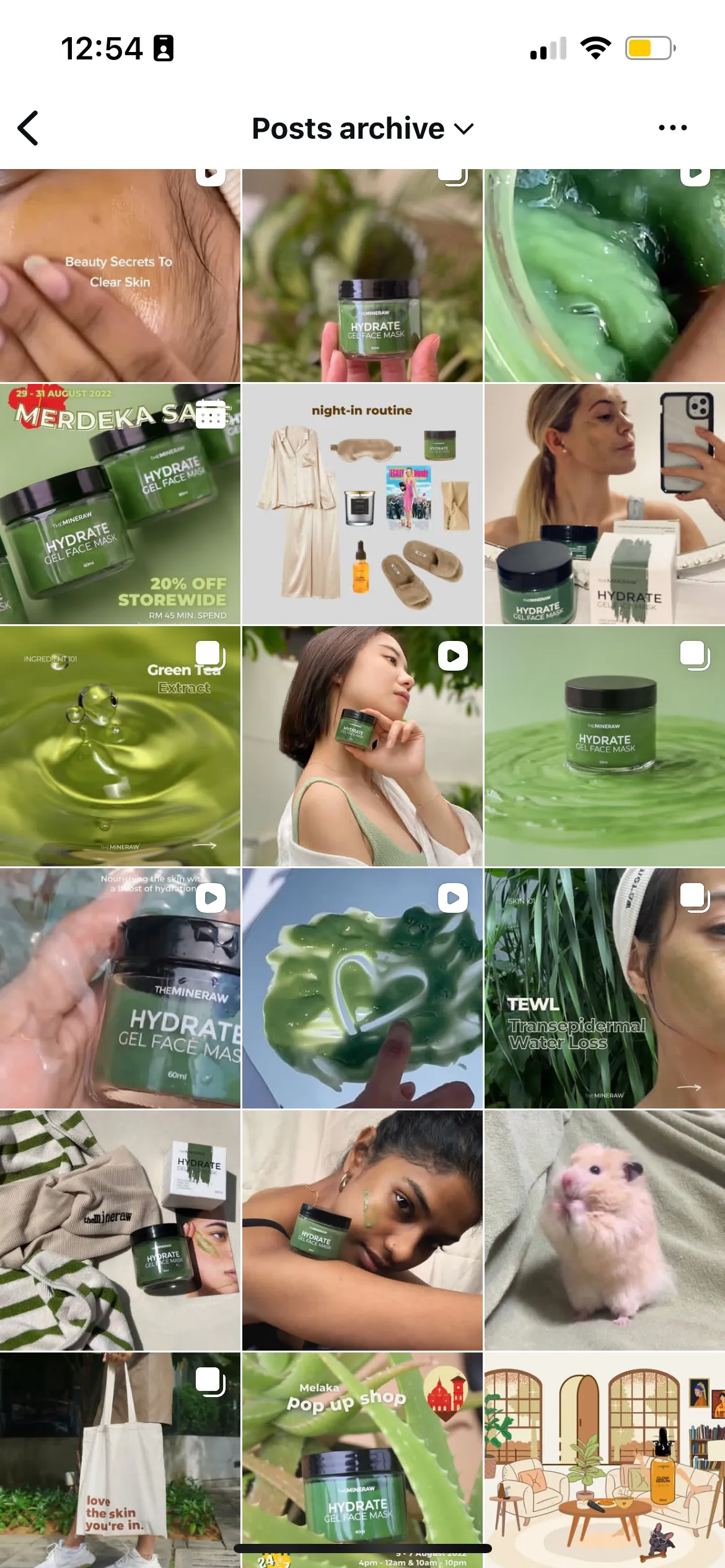
Outcome: Scaled to RM1M estimated valuation by 2022. Revenue reached RM170K in the peak year. Stocked across multiple retail locations in KL. Consistent product quality maintained across all factory production runs.
📊 Phase 3 — Sustain & Analyse
2020–2022 — Data-informed decisions, COVID surge, post-COVID recalibration
Business problem: COVID created an unexpected demand surge — then a harder correction. Needed to make product and marketing decisions with limited data tools and no analyst support.
Approach
-
Tracked repeat purchase rates, best-selling SKUs, and drop-off points via Shopify analytics
-
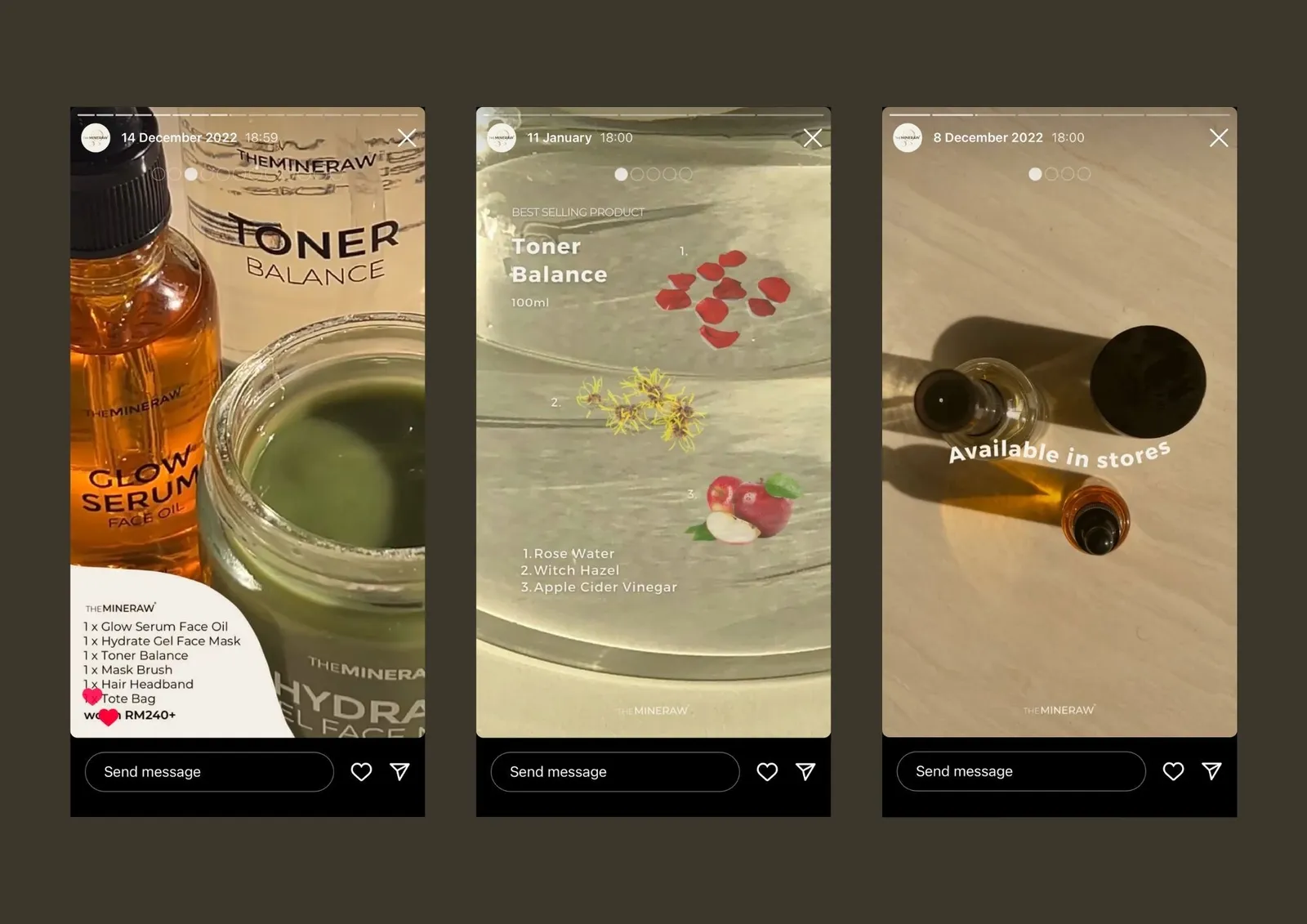
Used customer DMs and IG Story surveys as qualitative research; ran polls to understand shifting post-COVID needs
-
During the COVID surge: 10–15 orders per day, fulfilled remotely while a part-timer managed packing on the ground
-
Made product decisions based on what customers reordered, raised concerns about, or stopped buying
-
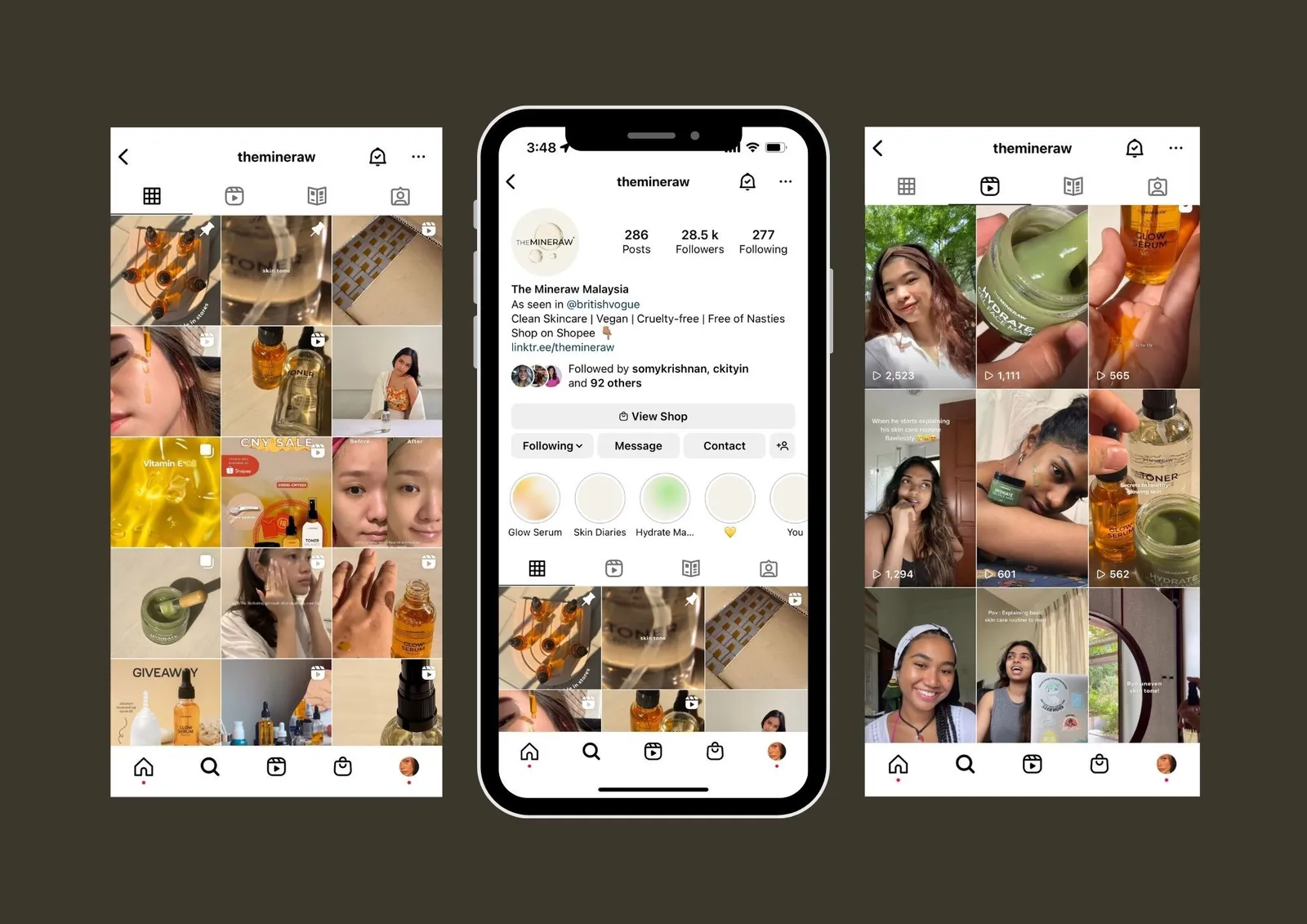
Adjusted content strategy based on organic reach and engagement data; ran paid ads selectively then stopped
Decision made: Repeat purchase rate above 25% became the north star metric — if customers came back, the product and experience were working.
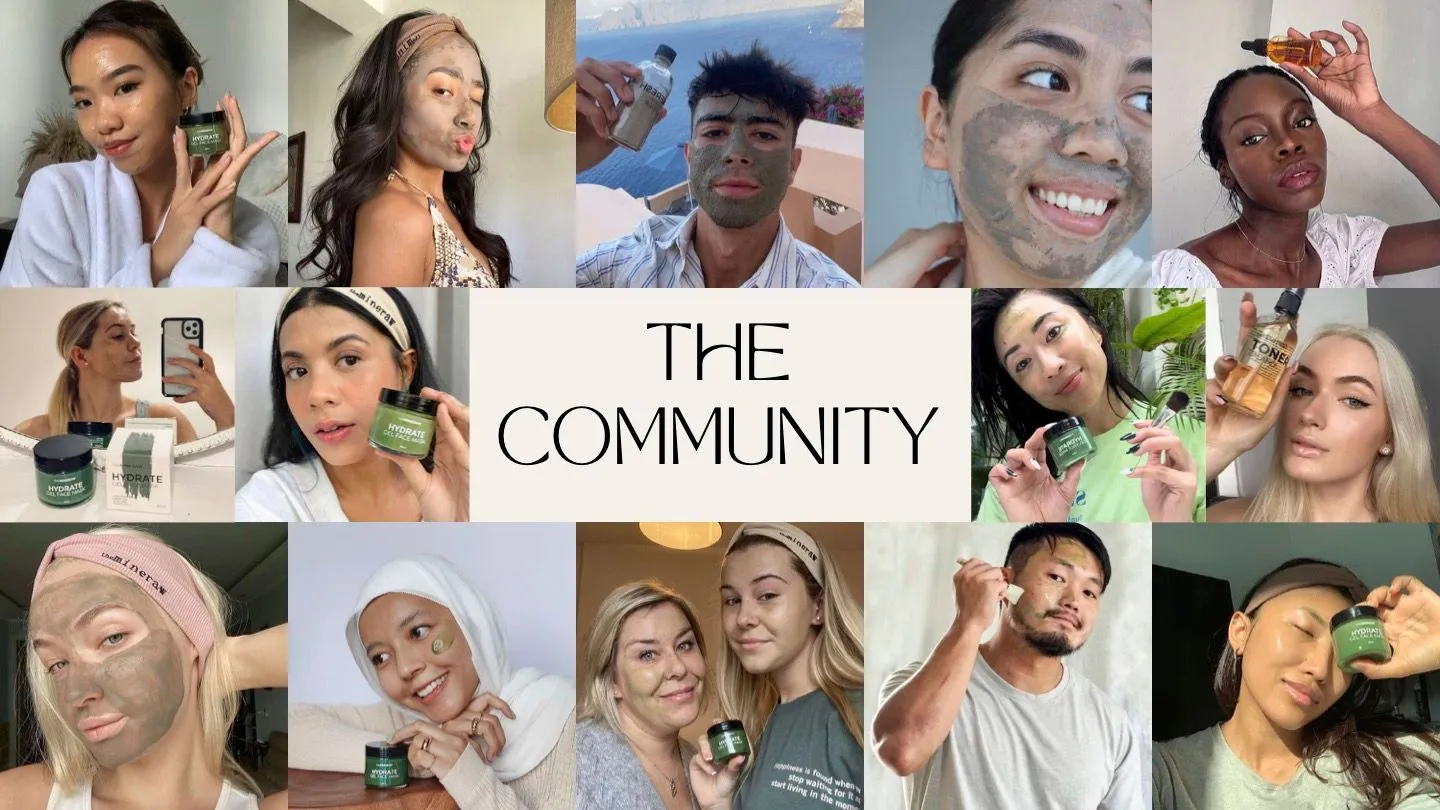
Outcome: Sustained profitability through the post-COVID correction. Community trust maintained through transparent communication — including publicly acknowledging when products were discontinued and why.

🚪 Phase 4 — Exit
2023–2025 — Transition to minority shareholder, brand sale
Business problem: Post-COVID demand had dropped, competition had increased, and running every function alone was no longer sustainable — or honest. I had started a new role in product design and stopped believing in the brand enough to keep selling it convincingly.
Approach
-
Began winding down — running clearance sales, having accepted the business was ending in its current form
-
An existing customer and close friend offered to buy the brand rather than watch it close
-
Documented all processes, supplier contacts, brand guidelines, and operational requirements for a clean handover
-
Negotiated sale while retaining a minority stake; transitioned ownership February 2025
Outcome: Clean exit. RM5K invested in 2018; RM1M valuation at exit. No external debt. Ran the brand and a full-time product design role concurrently for the final year.
What This Demonstrates
| Capability | How it showed up |
|---|---|
| Zero-to-one Product Building | Built product, brand, and distribution from scratch with RM5K and no prior business experience |
| User Research | Customer DMs, IG Story surveys, and repeat purchase data used as primary qualitative and quantitative inputs |
| Data-Informed Decisions | Set repeat purchase rate (>25%) as north star metric; tracked SKU performance and drop-off via Shopify |
| Process Design | Mapped and documented all production and fulfilment workflows solo; treated operations like a product |
| Stakeholder Management | Managed suppliers, factory, retail stockists, press, angel investor, and employees simultaneously |
| Product Lifecycle Management | 10 active SKUs from concept to discontinuation; exited underperformers with transparent customer communication |
| Business Strategy | Positioning, pricing, channel mix, investor relations, and exit planning — all owned solo |
→ View the brand story and visual work: Founded Brand ~ Built from Scratch
The Mineraw | Clean, Vegan, Cruelty-Free Skincare Malaysia ↗
More Press Coverage